
Warsaw Bridge
Portabella turns cinema’s creative freedom into a symphony – both sensual and provocative.
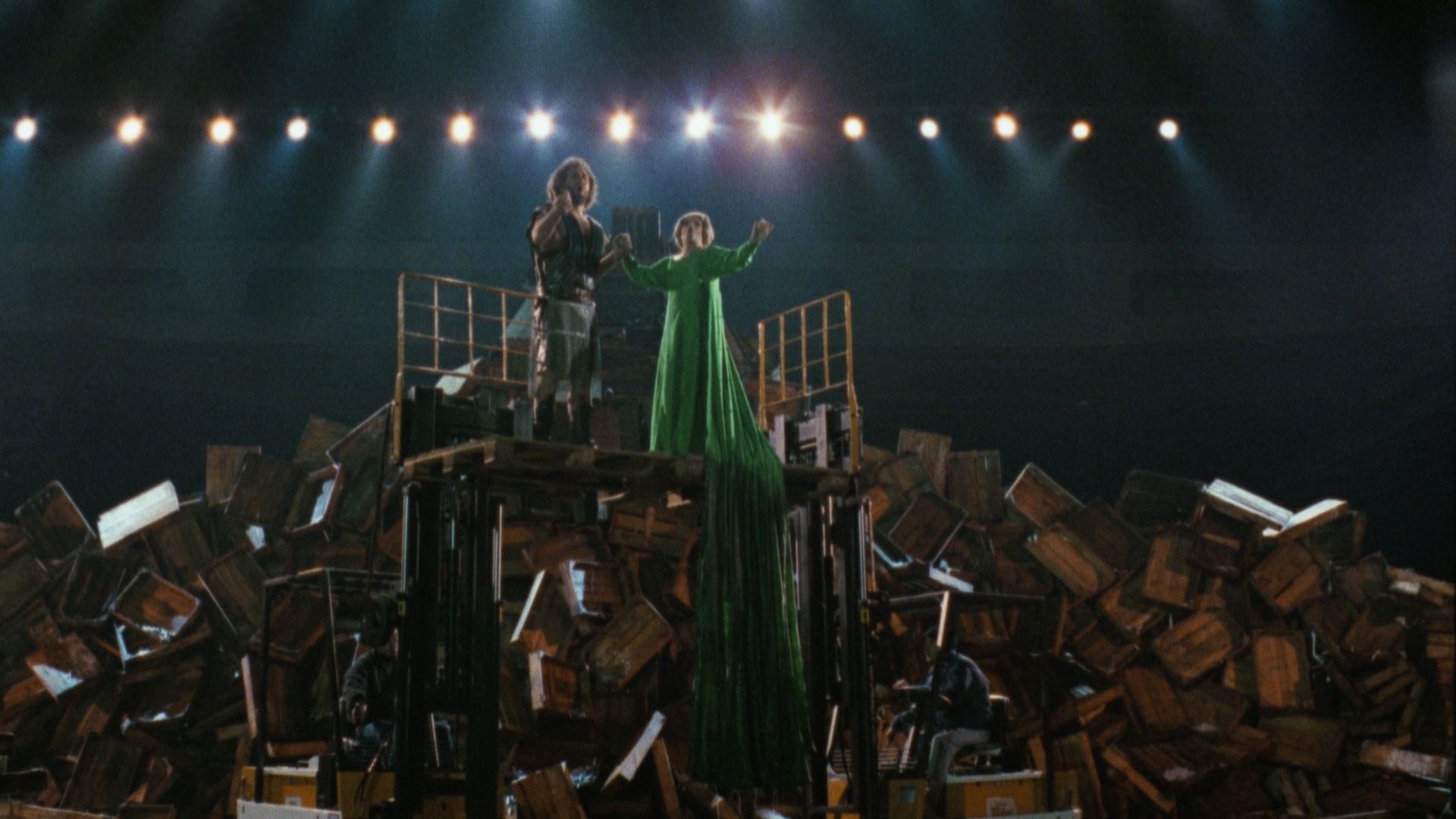
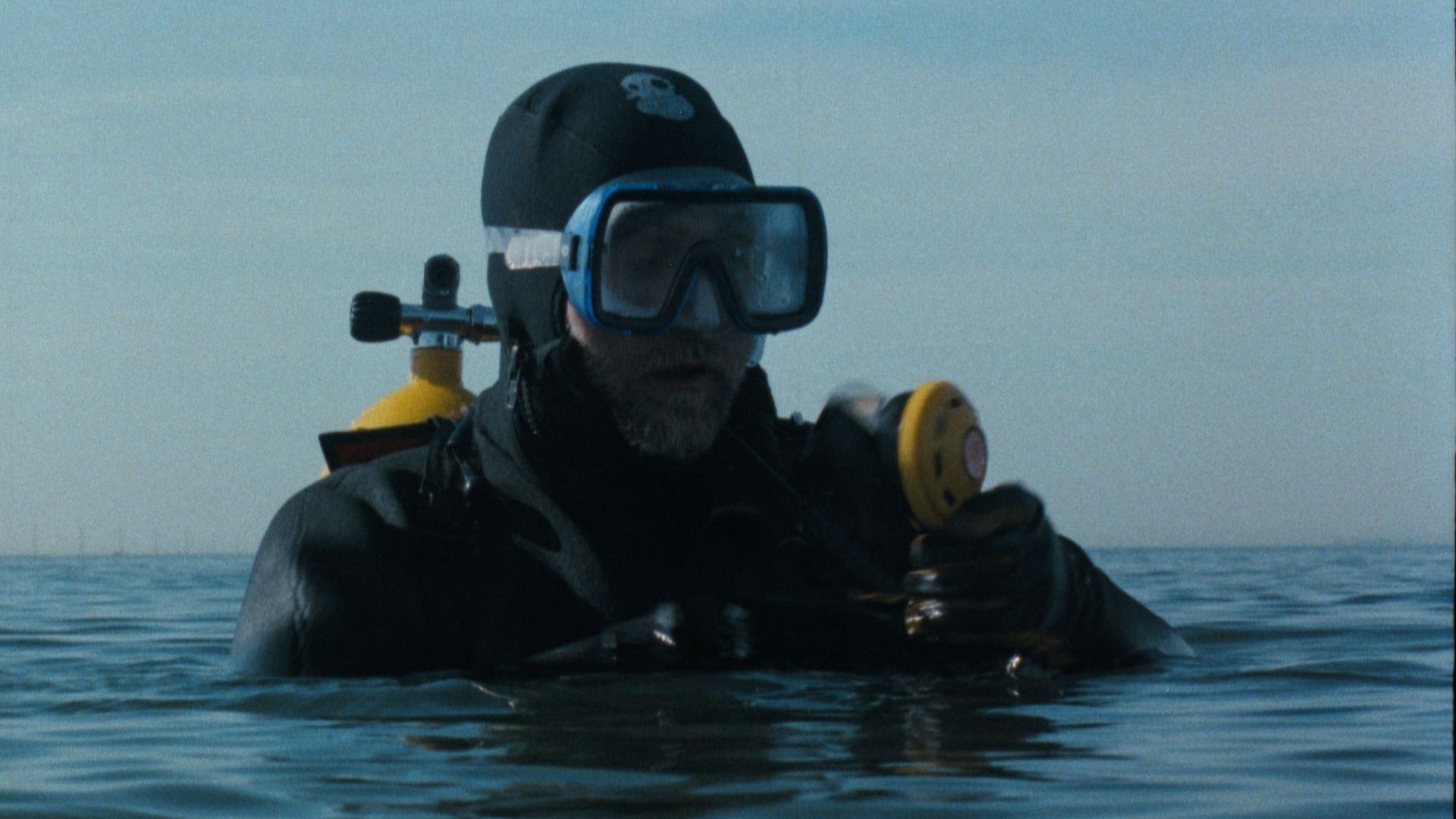
An open-ended story involving three people from different professions with shared emotional ties, interrupted by a chance event: a deep-sea diver discovered in a burnt-out forest.
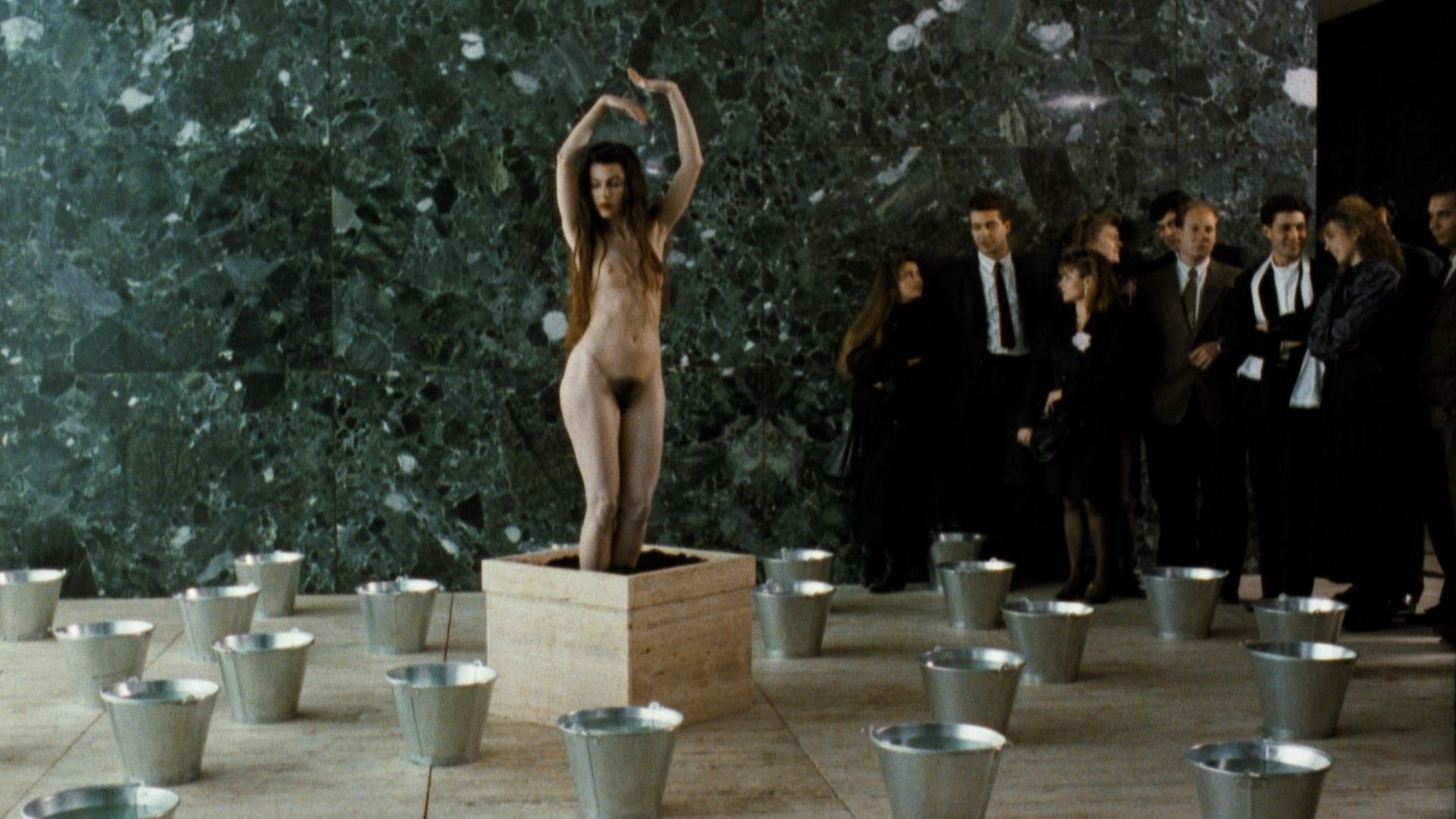
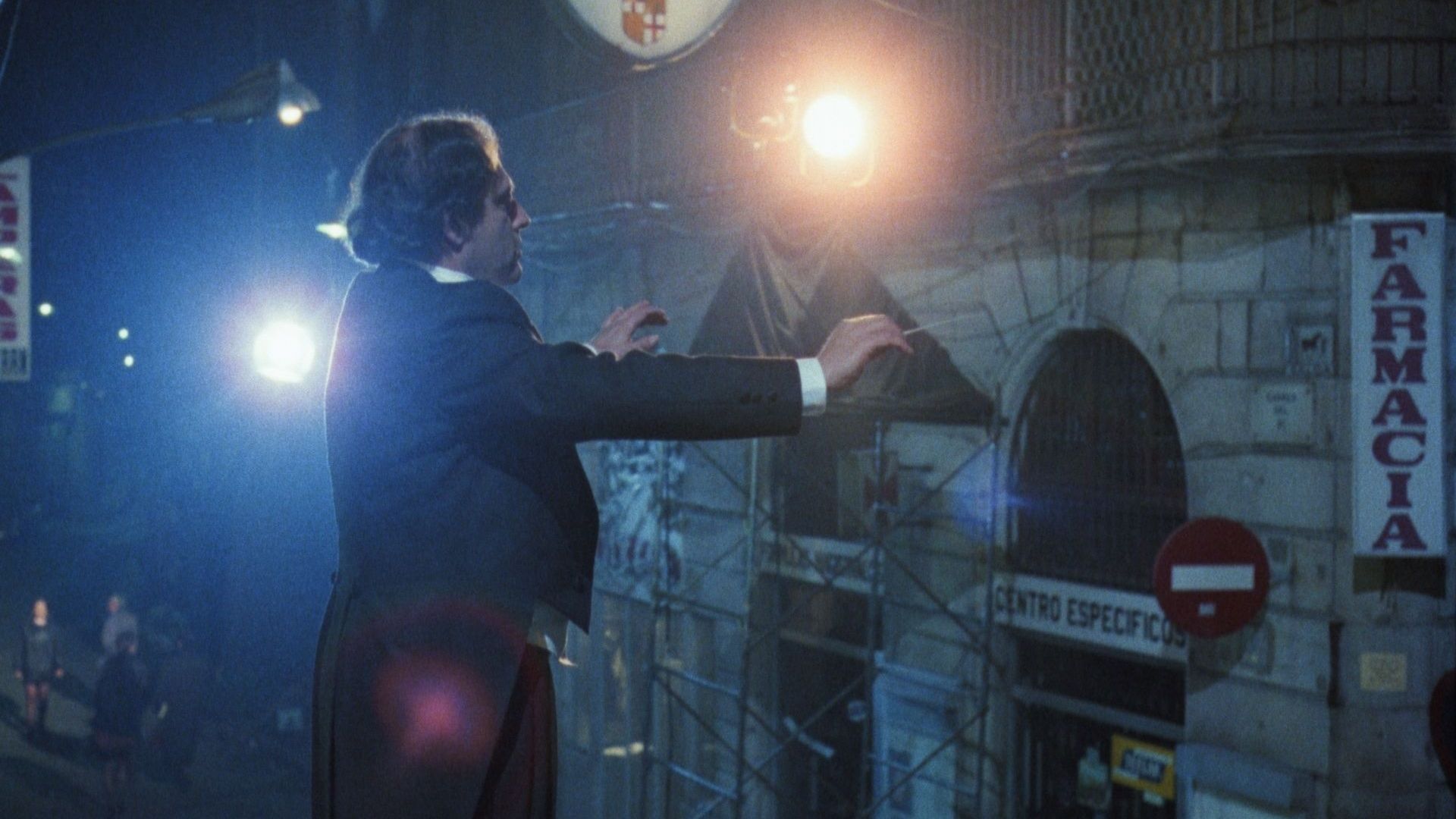
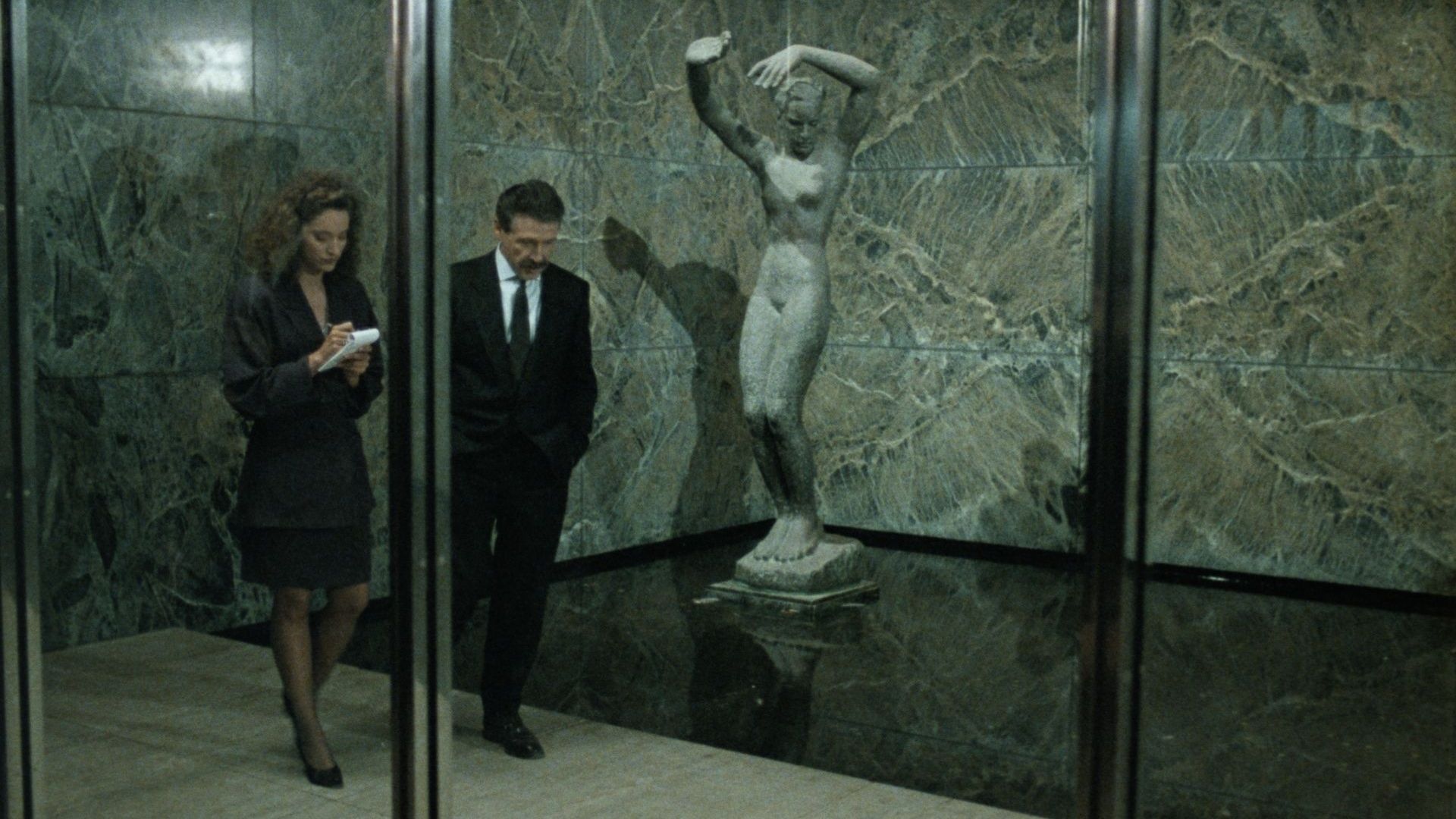
That is, ostensibly, the film’s formal synopsis, but its true nature is something else; in fact, Pere Portabella uses a surprising newspaper item he came across as his starting point. Some might say this serves merely as a pretext for a delightful architectural tour of pre-Olympic Barcelona – peppered with surreal conversations – but it is more: Portabella turns the creative freedom of cinema into a symphony.
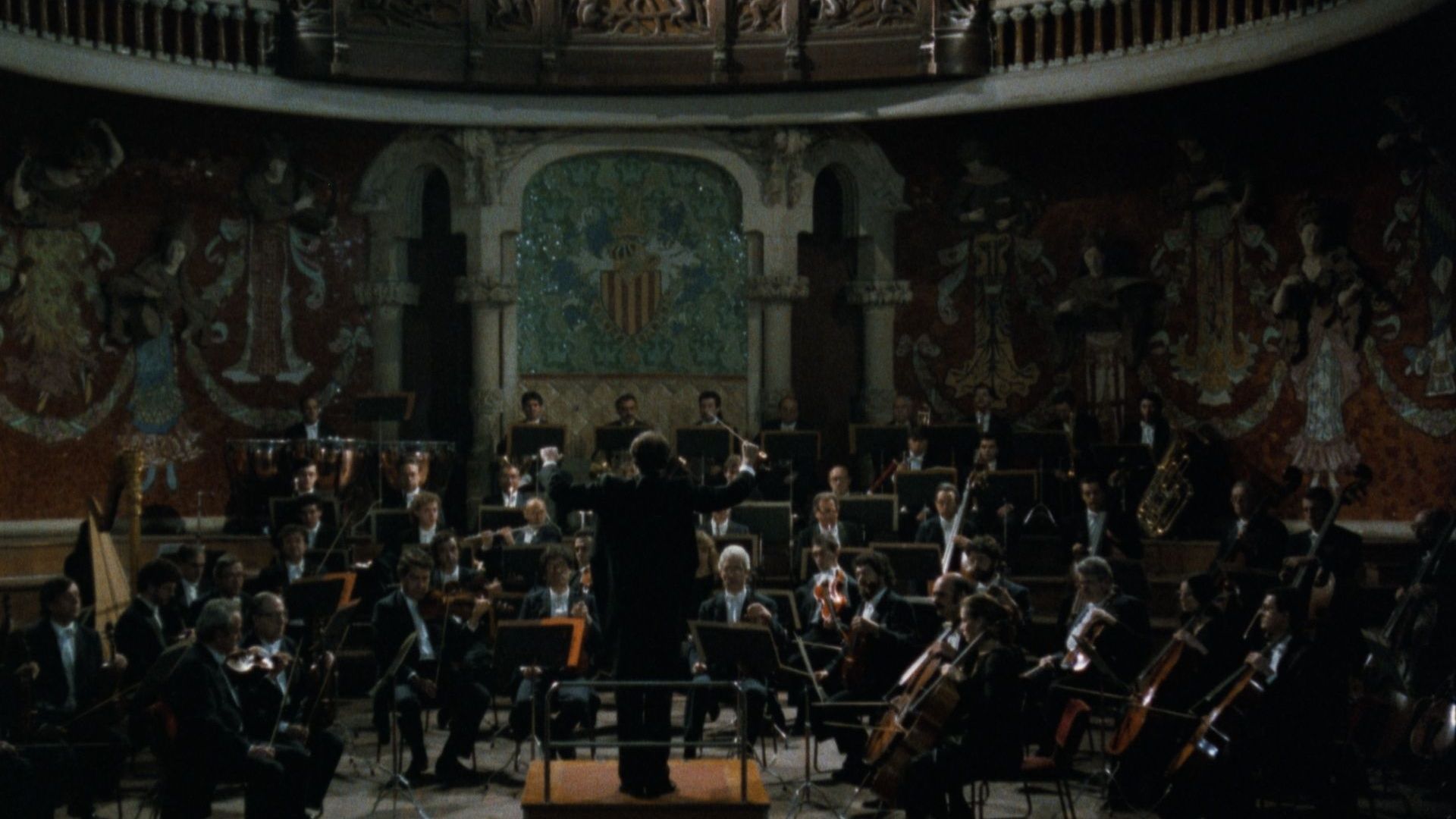
Filmed in the year the Berlin Wall fell (1989), this work – first since 1977 – by the Catalan intellectual and producer features his regular collaborators: musician Carles Santos (a true master ripe for rediscovery) and director of photography Tomàs Pladevall. It stands as one of Portabella’s most ambitious and singular works.
Using the appearance and resources of a large-scale production, he portrays a new intelligentsia and an amnesiac European progressive political class that, beneath the glittering surface of spectacular events and a frivolous lifestyle in a contented Europe, tries to hide memories of historical fractures and cataclysms.
But “Warsaw Bridge” goes beyond that; it is a score of free-associating images, a lyrical and surreal evocation of our relationship with the past, a cryptic yet sensual and provocative journey into the very essence of artistic expression.
As Portabella observed, the aim was to “accept that there are other possible ways of seeing and being in cinema” and to surrender to “the pleasure of adventure.”
A true gem for a discerning viewer.
Screening is within Acció Portabella, the international programme marking the 100th anniversary of Pere Portabella.
New 5K digitisation carried out by the Filmoteca de Catalunya in 2026, in collaboration with Films 59, from the photochemical materials supervised by Pere Portabella and cinematographer Tomàs Pladevall.
Javier Puerto Garcia
What feelings did the film Warsaw Bridge envoke?
Discuss the film with other viewers and filmmakers

Screenings
