

Natasha’s Dance
Jos Stelling's entry into the world of film was effective. The world premiere of his debut film “Mariken van Nieumeghen” took place in 1975 in the Cannes competition programme. Nearly fifty years later, he says the latest film will be his last. It is a shame if this is true. “Natasha's Dance” is a powerful masterpiece, a tribute to the film d'auteur, which he has consistently cultivated as a director. But not just in his works. Stelling also owns several art-house cinemas in his hometown of Utrecht, where, of course, the film d'auteur plays an important role.
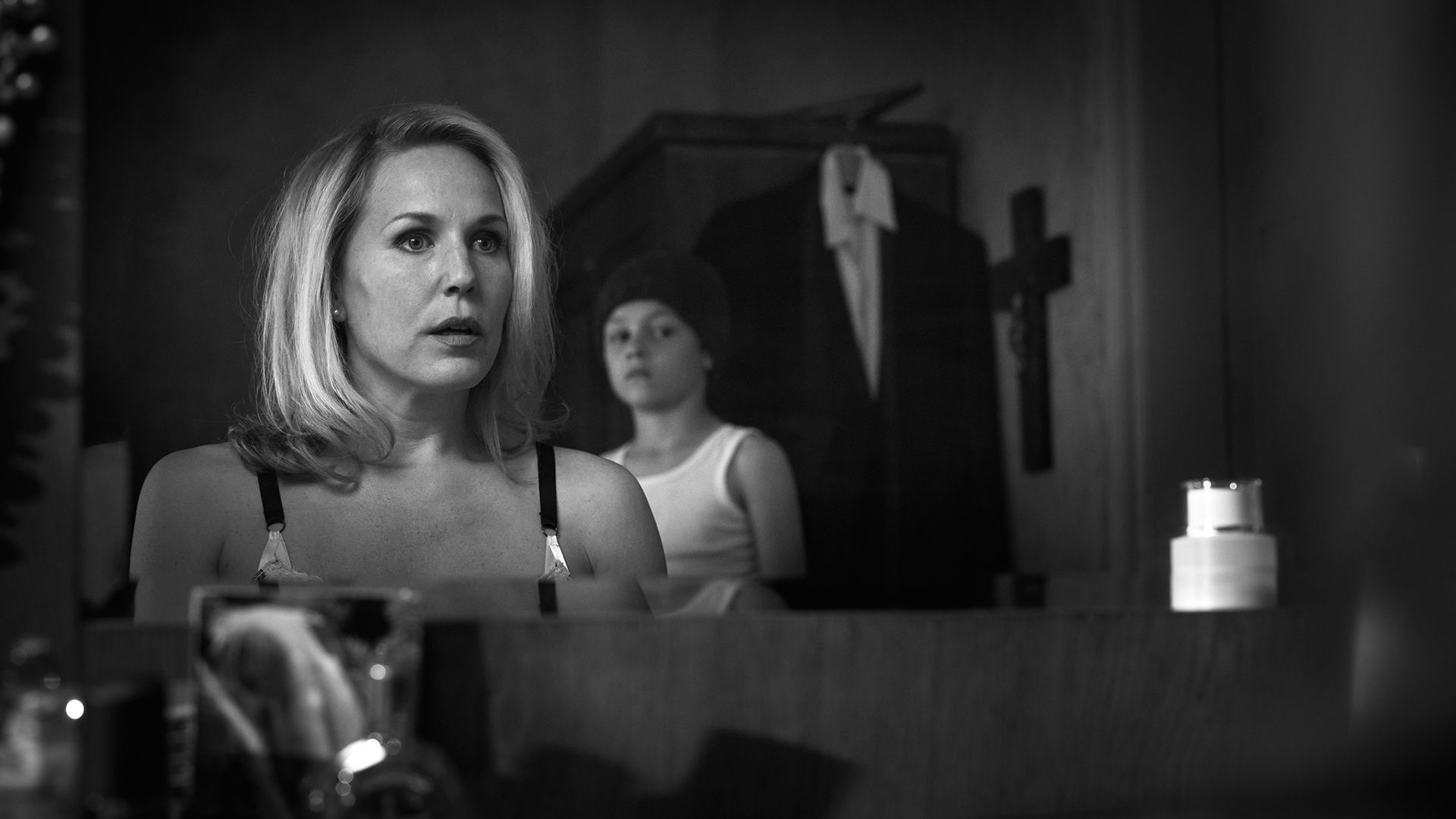
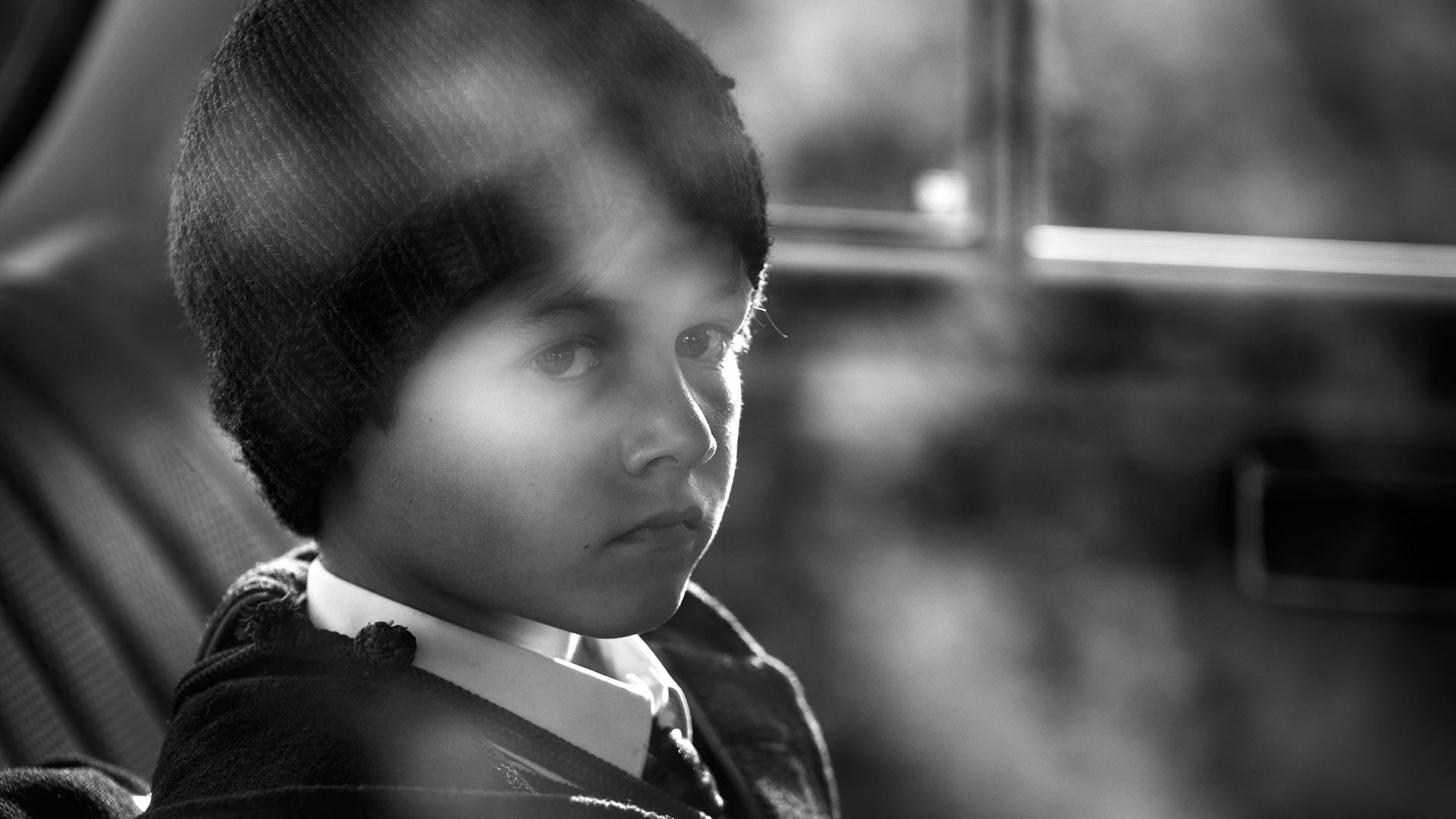
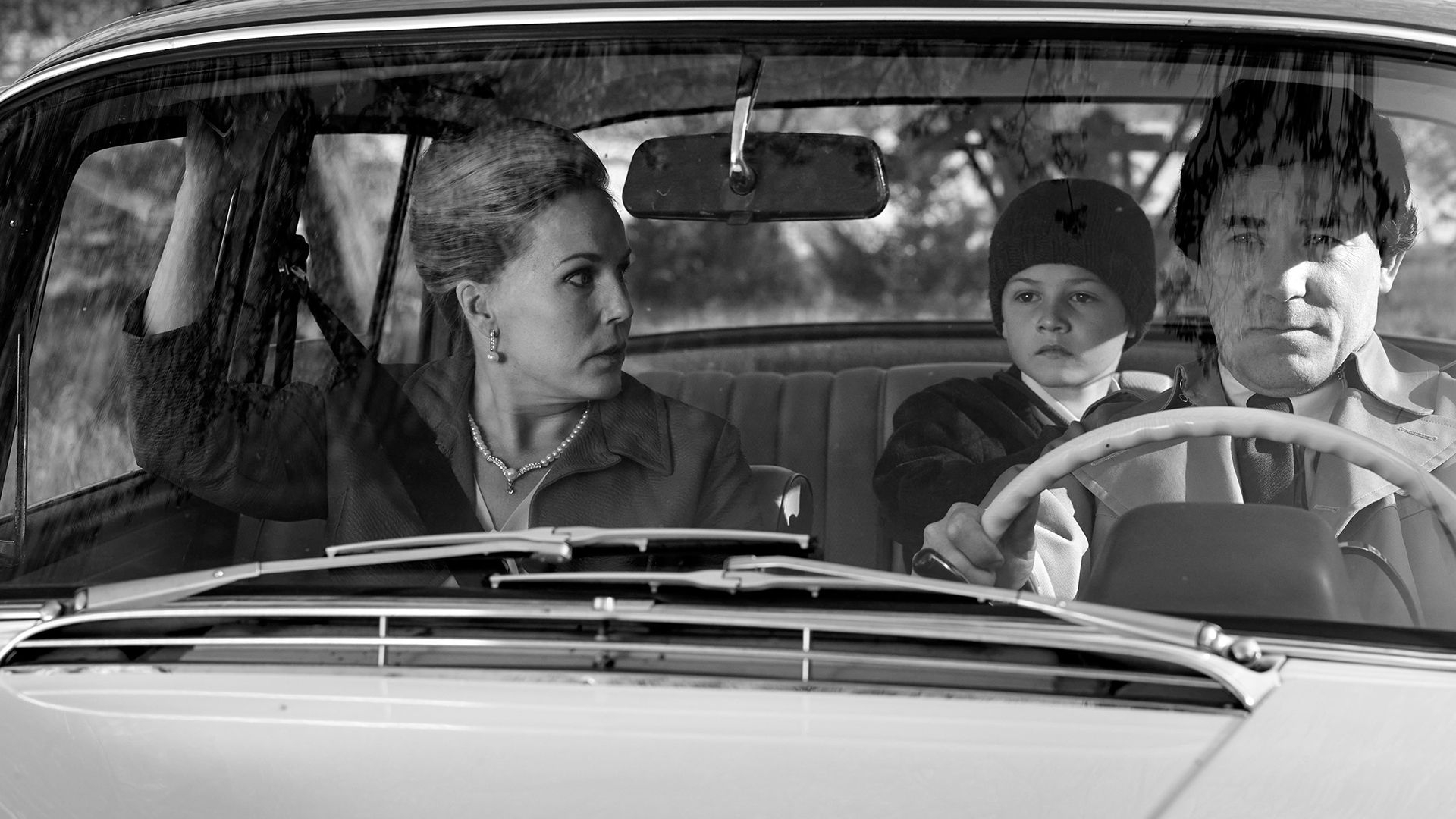
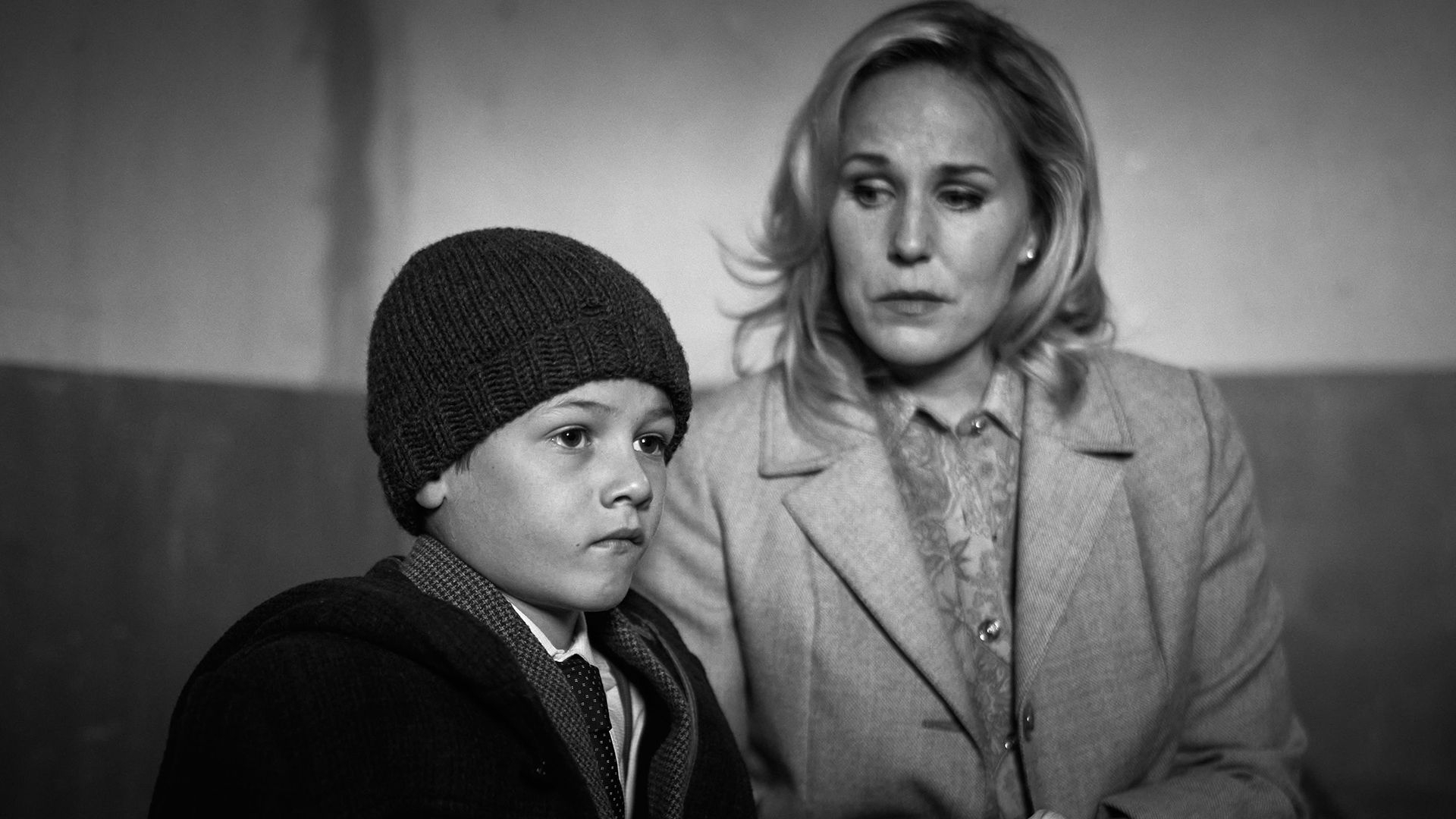
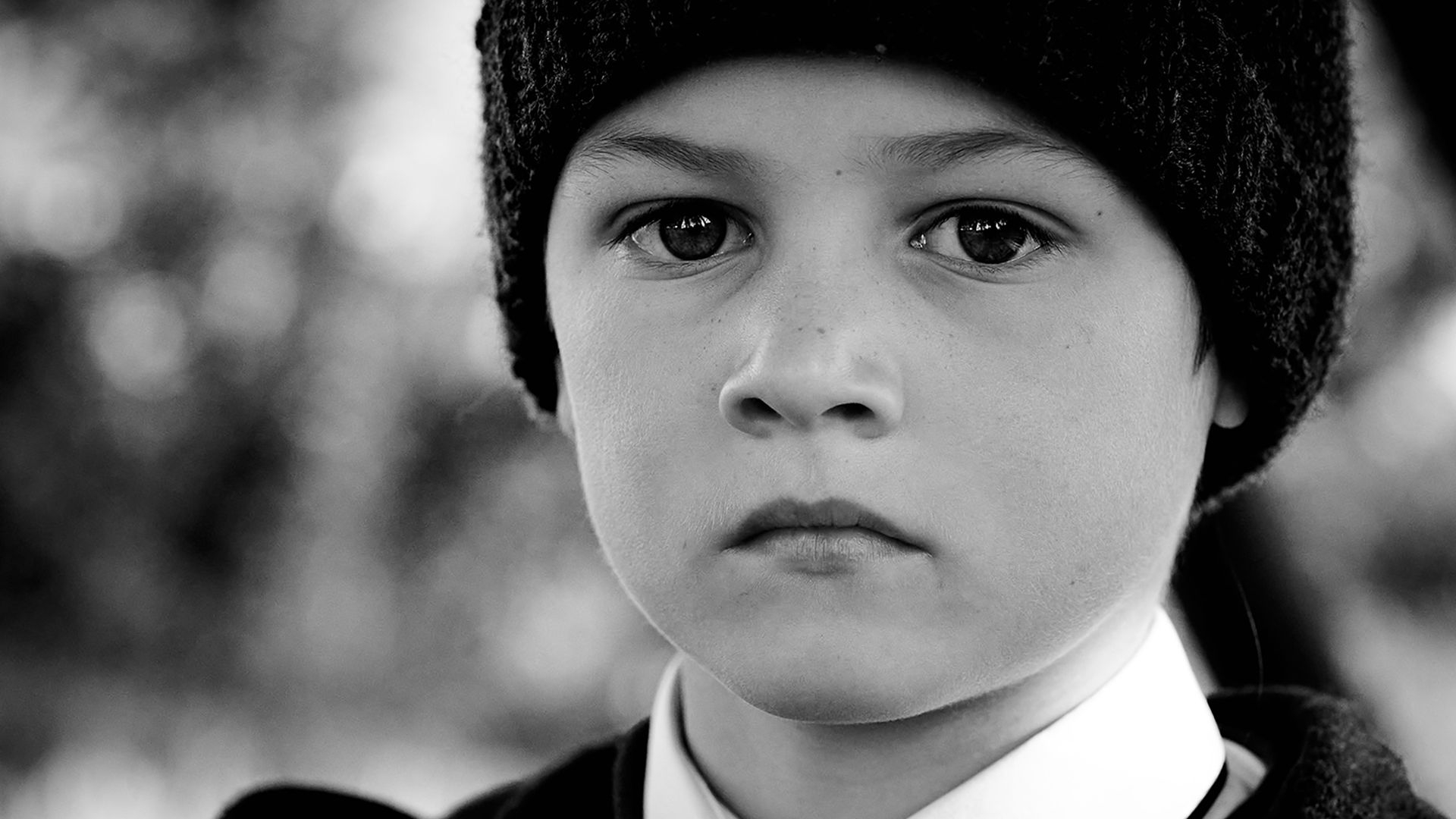
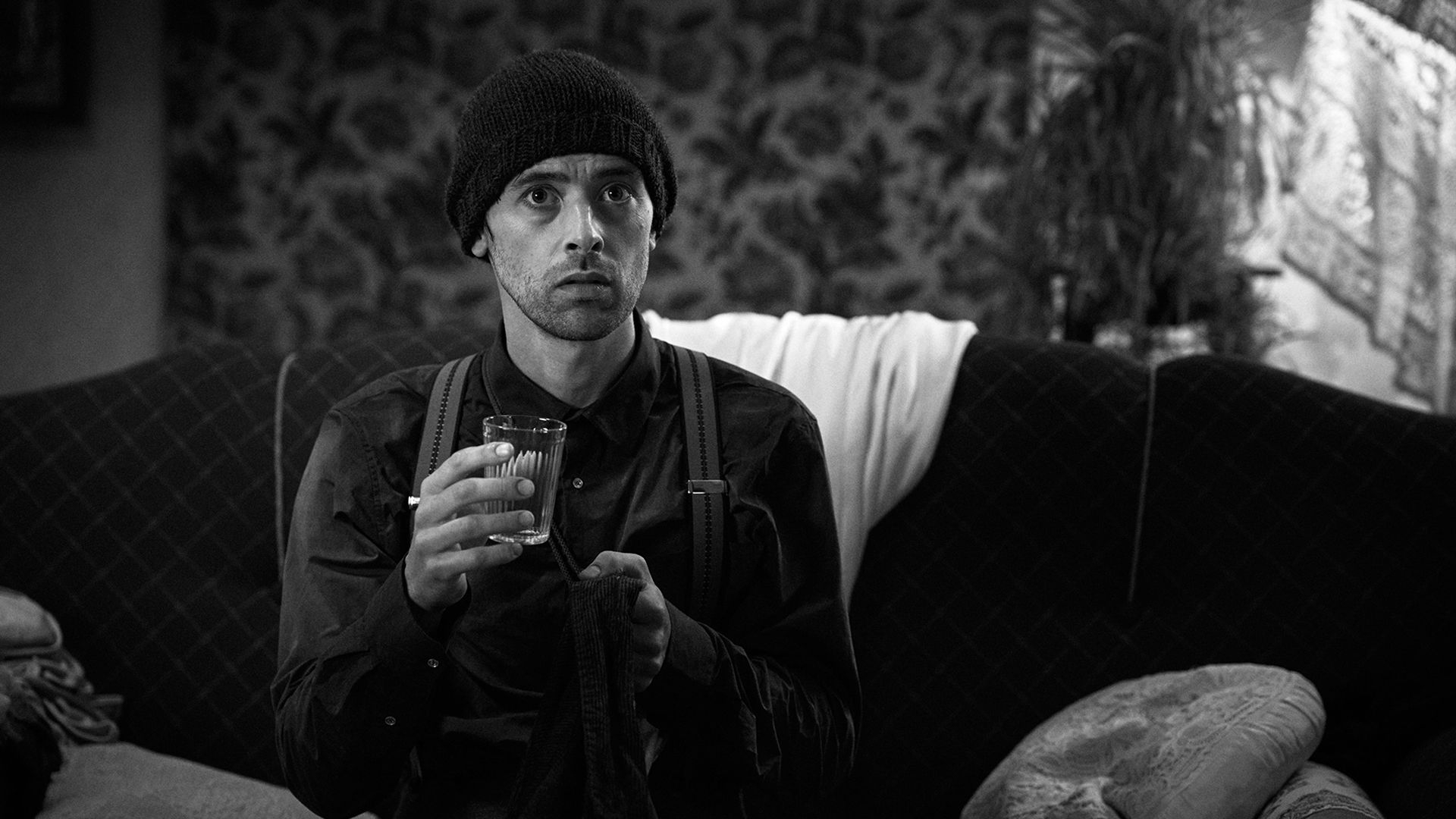
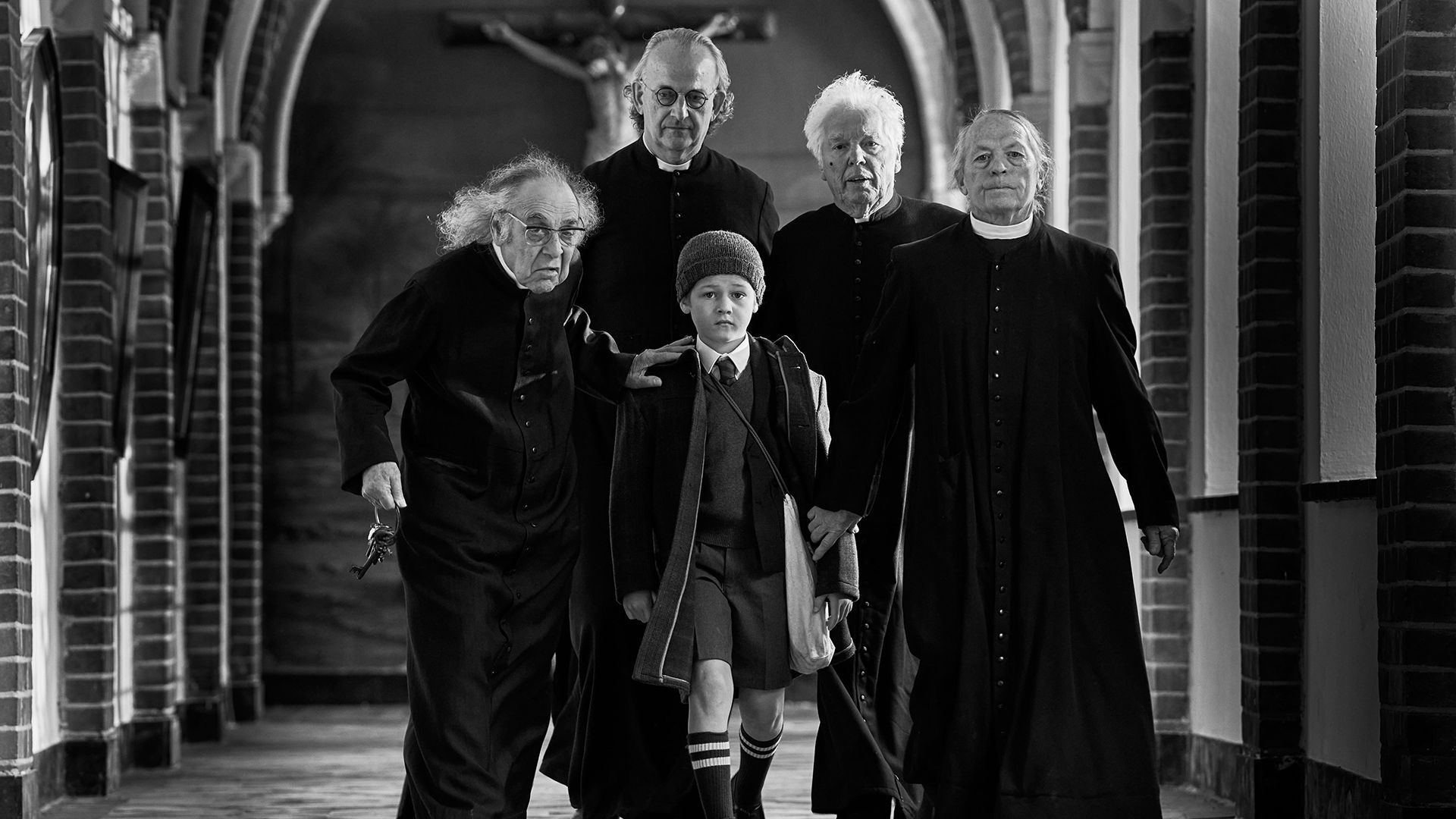
When Daantje was a withdrawn child, his mother told him that somewhere there was a girl waiting for him who danced beautifully. As an adult, Daantje is a lonely homeless person who happens to meet the former ballerina, Natasha. At first, the woman does not pay much attention to Daantje – the young man is a bit strange. Besides, Natasha has emotional hardships in her relationships. Then an event occurs that makes her want to return to her homeland immediately. Daantje goes with her.
In current cinema, there is a tendency to move towards a clear narrative. Jos Stelling also tells a story with clear plot points. But he does so in a way that is less and less common in today's cinematic landscape. With this work, the author proves once again that a great film does not necessarily have to be telling an interesting story with moving pictures – “Natasha's Dance” is a work of art.
Mihkel Möölman
Biography
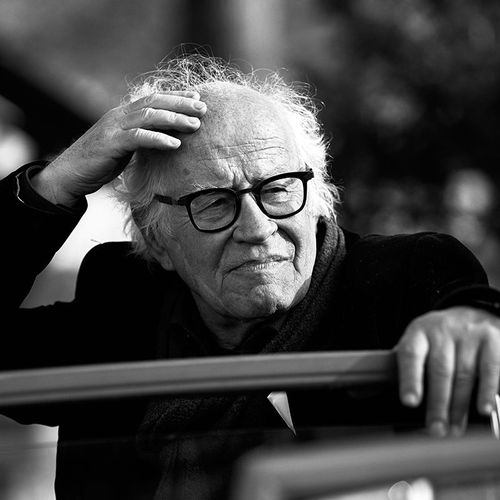
Jos Stelling (1954) is a self-taught artist who made a big impression with his first film “Mariken van Nieumegen” (1974) which was selected for the official Cannes competition as the first Dutch film. In 1981 he founded the Dutch Film Days (now Dutch Film Festival) – a festival about and for Dutch directors. He has received many national and international prizes for film/culture. Stelling has made 14 films. He also owns three cinemas in Utrecht: Springhaver (since 1978), the Louis Hartlooper Complex (since 2004) and Filmtheater Slachtstraat (since 2022).
Filmography:
Mariken van Nieumeghen (1974), Rembrandt fecit 1669 (1977) De Illusionist (1984), De Wisselwachter (The Pointsman, 1986), De Vliegende Hollander (The Flying Dutchman, 1995) No Trains No Planes (Reisile sinuta, PÖFF 1999), Duska (2007, PÖFF 2008), Het Meisje en de Dood (The Girl and Death, 2012), De Dans van Natasja (Natasha's Dance, 2023)
Grand Prix for The Best Film, grant of 20 000 euros from the city of Tallinn, Award for Best Director, grant of 5000€ from Alexela

Screenings
