
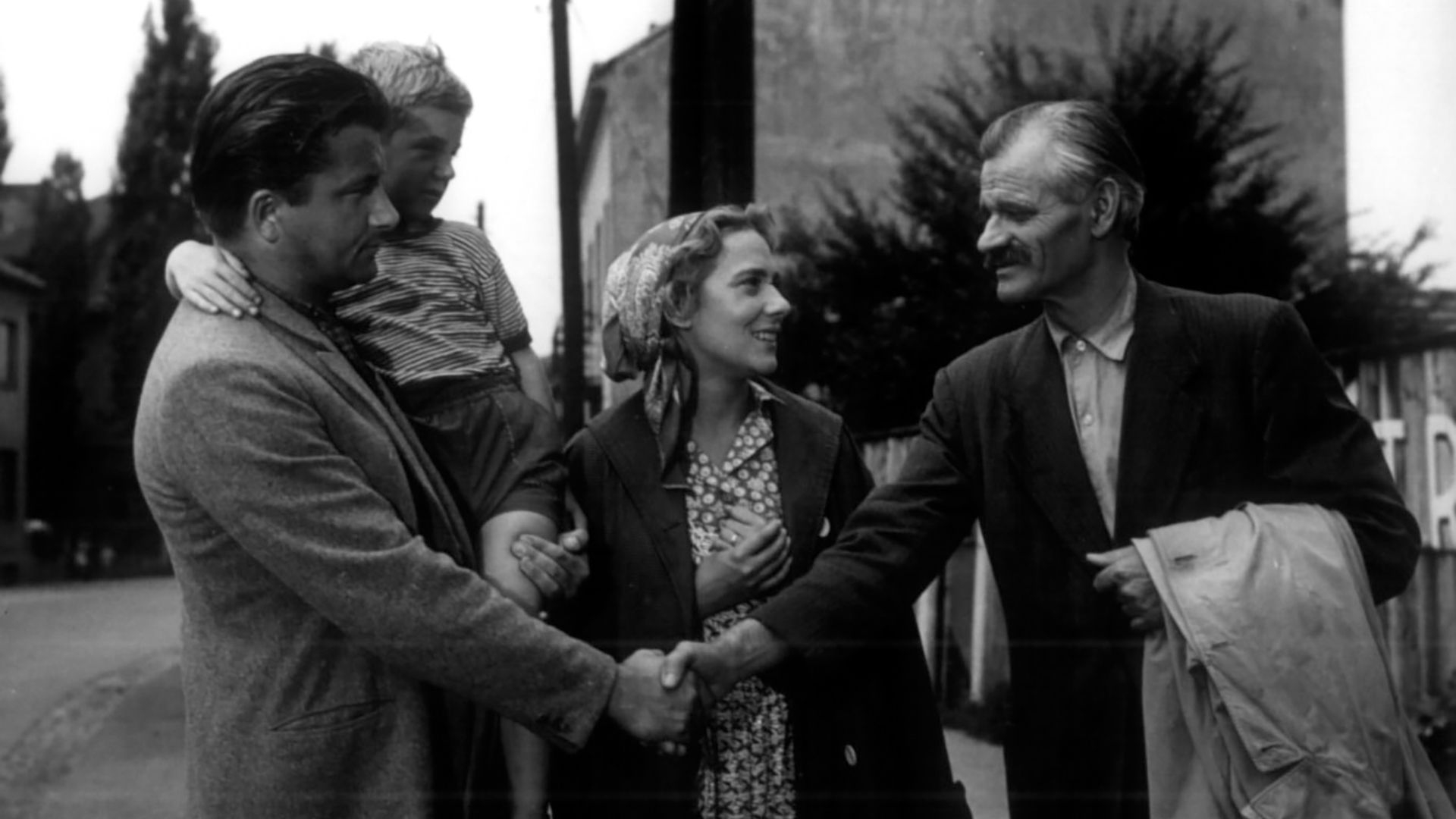
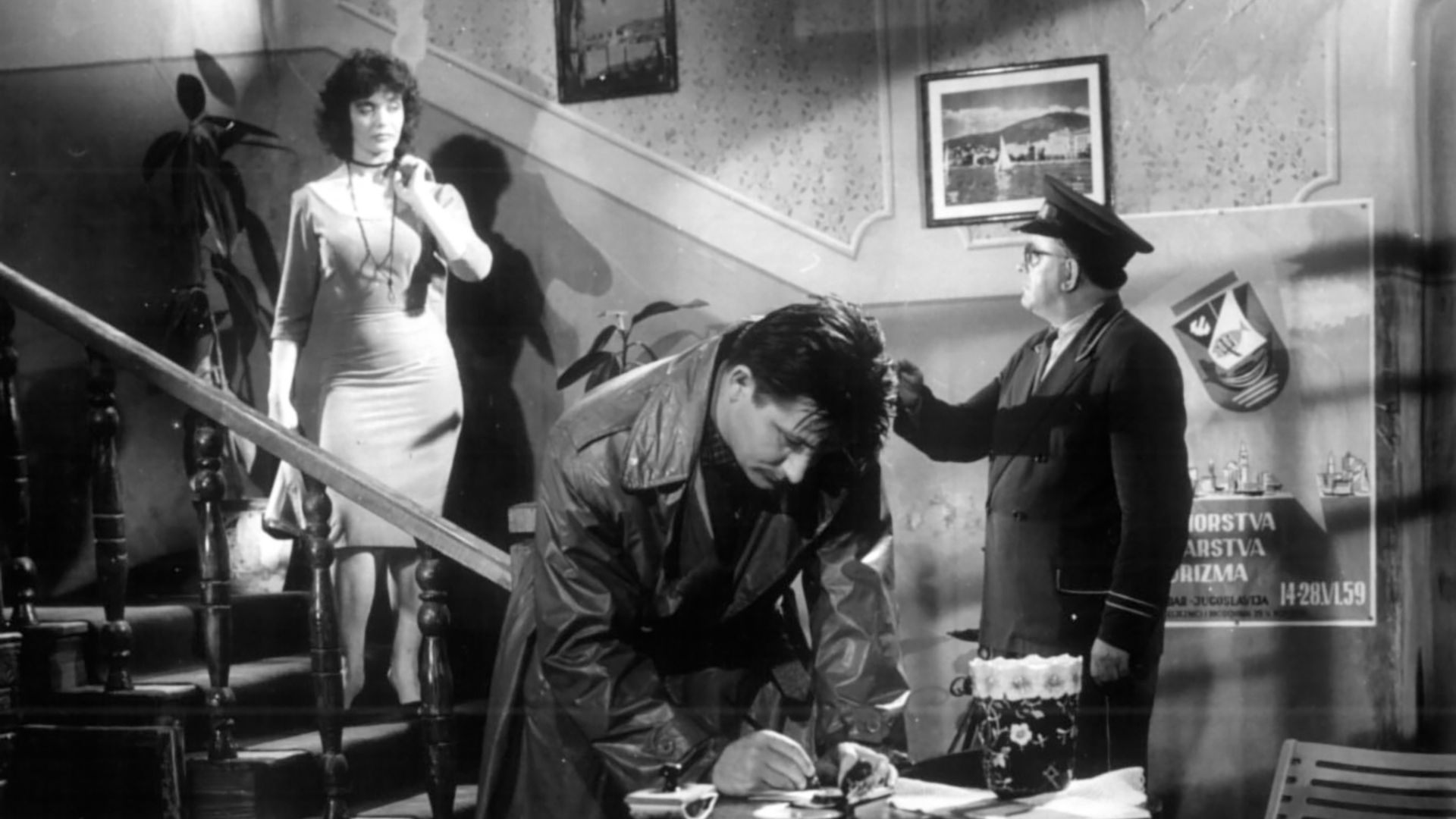
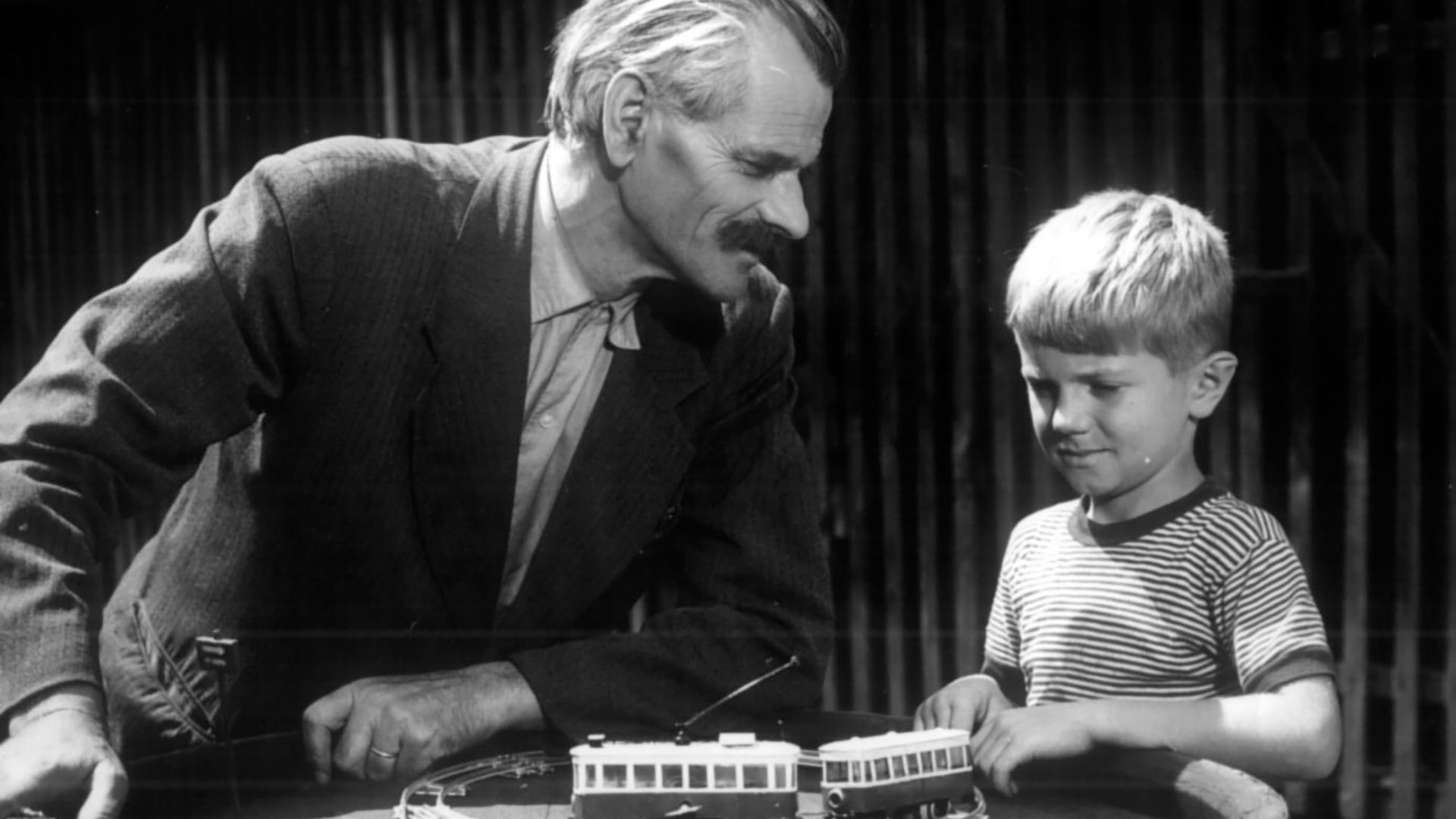
Three Girls Named Ana
Retired tram driver Marko Petrić, who lost his wife and daughter during WW2, suddenly learns that his daughter Ana may still be alive. Full of hope, he is determined to find his daughter. On this journey, he meets two women, one of whom could be his daughter. But then a third Ana appears. Confused and exhausted by false hope, Petrić is forced to relive the pain he's been carrying for a long time. The would-be daughters are also emotional, as they struggle with their own traumas and the shadows of their past.
The neorealist drama is directed by Branko Bauer, one of the most prolific and popular directors of Croatian cinema with 14 feature films and numerous documentaries, TV series and commissioned films. In 1980, he received the Vladimir Nazor Lifetime Achievement Award.
Kati Vuks
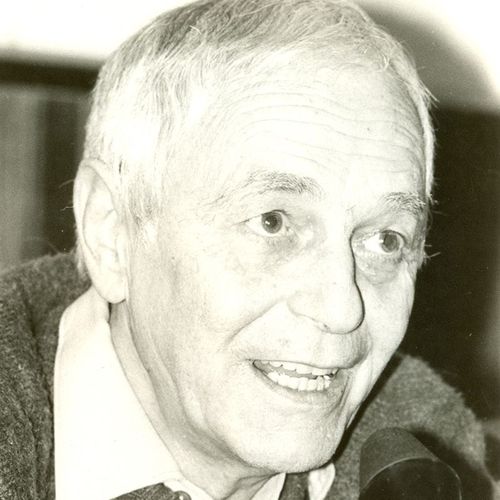
Biography
Branko Bauer (1921) died in 2002. He studied at the Veterinary Faculty in Zagreb. In cinematography since 1949, at first in Jadran film as a head of the set and producer of features in the film magazine ""Pregled"", also director of short films. His feature film debut in 1953 was ""The Blue Seagull"", an adaptation of a children's novel by Tone Seliškar. Since 1969, he directed documentary shows and TV shows on Zagreb Television. With a filmography of 14 full-length and several short documentaries and commissioned films and TV series, Bauer is one of the most prolific directors in the history of Croatian cinematography, whose reputation has been growing again since the 1980s. He won the ""Vladimir Nazor"" Award for Lifetime Achievement (1980). Bauer was a rare figure, unusually popular with the audience, and also appreciated by serious film critics.
Filmography:
valik/selected: Sinji galeb (The Blue Seagull, 1953), Ne okreći se sine (Don't Look Back, My Son, 1956), Tri Ane (Three Girls Named Anna, 1959), Prekobrojna (Superfluos, 1962), Boško Buha (1978)