The Marriage of Maria Braun
Through Hanna Schygulla’s performance, one of the most intriguing female heroines in German film history is born.
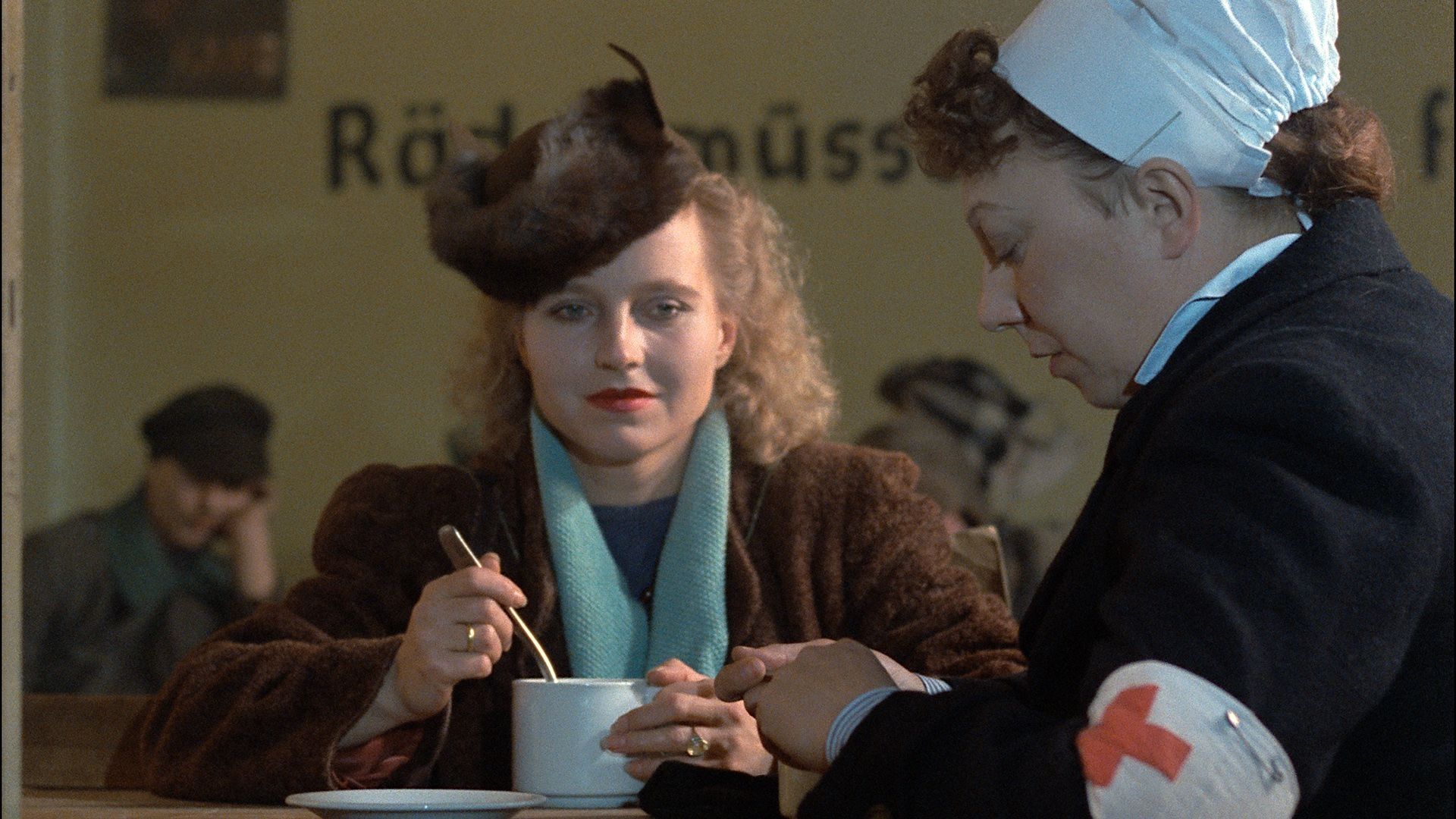
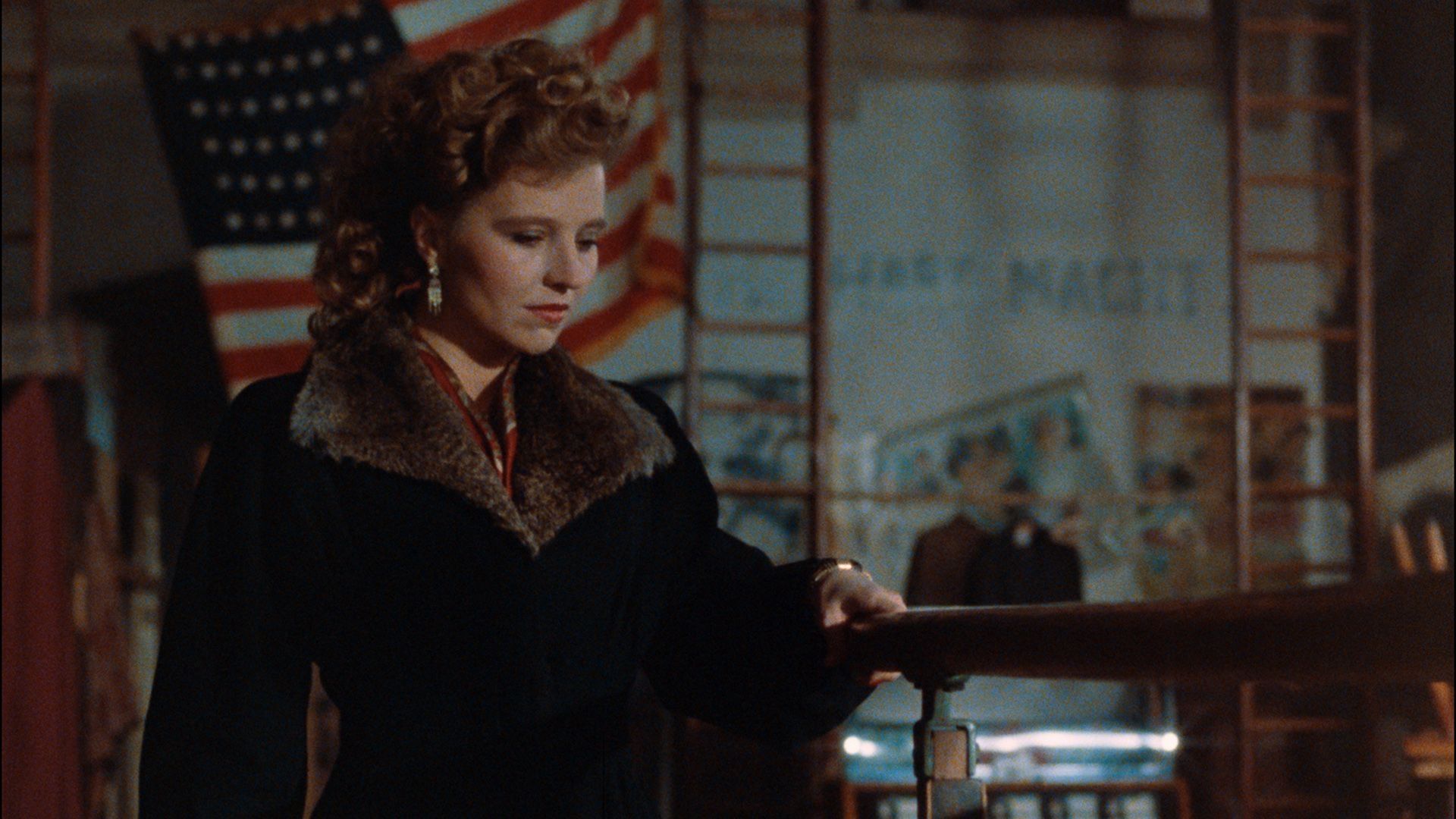
Maria Braun’s marriage lasts half a day and one night, after which her husband Hermann is sent off to war. Maria devotes herself to waiting for him – adhering to the rules she has set herself.
As Rainer Werner Fassbinder’s 34th film, it also proved to be his most popular and the first to be screened in East Germany and the Soviet Union. As a critique of the moral foundations of the economic miracle of post-war Germany, it also fitted in well with socialist ideology.
However, the film is more complex, not only reflecting the compromises that the post-war generation of the defeated was forced to make, but also proclaiming a woman’s right to choose her own life and love.
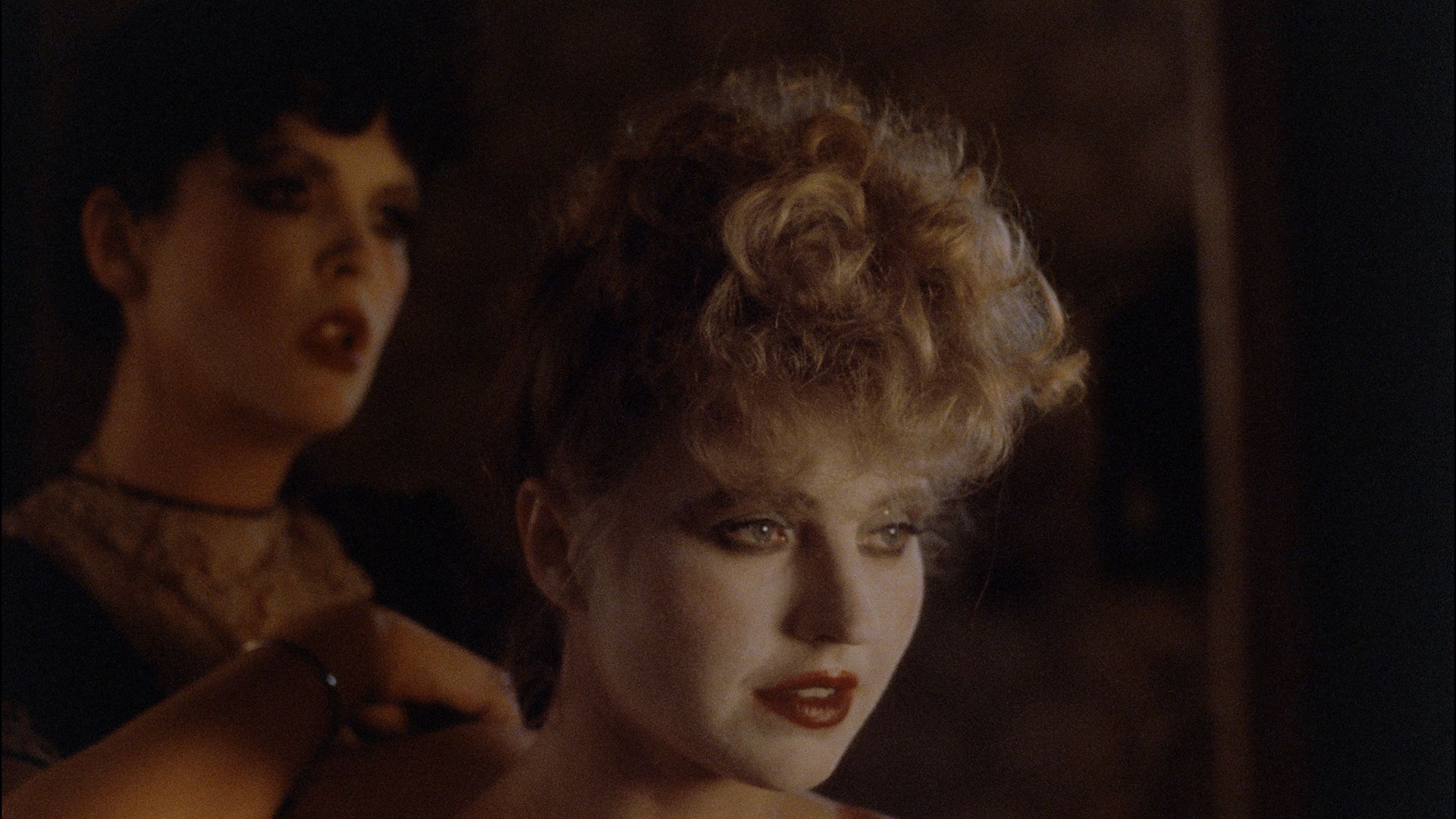
“The Marriage of Maria Braun” was followed up by “Lola” and “Veronika Voss”, making up a trilogy about women’s choices in the 1950s Germany.
Tiit Tuumalu
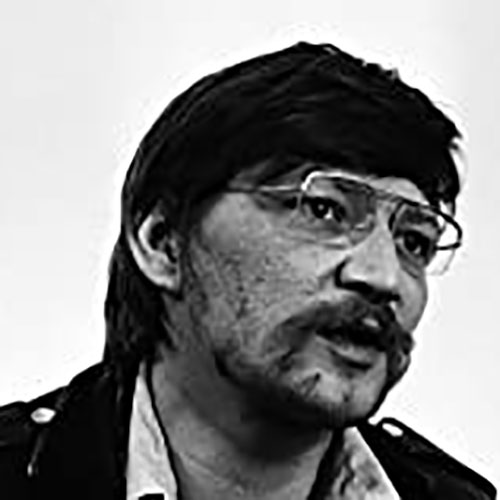
Biography
Rainer Werner Fassbinder (1945–1982) was a German filmmaker, dramatist and actor. He is widely regarded as one of the major figures and catalysts of the New German Cinema movement. Versatile and prolific, his over 40 films span a variety of genres, most frequently blending elements of Hollywood melodrama with social criticism and avant-garde techniques. His work was deeply rooted in post-war German culture: the aftermath of Nazism, the German economic miracle, and the terror of the Red Army Faction. In PÖFF 2020, Fassbinder was honoured with the opening film “Enfant terrible” (directed by Oskar Roehler), in which Fassbinder was played by Oliver Masucci.
Filmography
Katzelmacher (1969), Warnung vor einer Heiligen Nutte (Hoiatus püha hoora eest, 1970), Der Amerikanische Soldat (Ameerika sõdur, 1970), Die Bitteren Tränen der Petra von Kant (Petra von Kanti kibedad pisarad, 1972), Angst essen Seele auf (Hirm närib hinge seest, 1973), Die Ehe der Maria Braun (Maria Brauni abielu, 1978), Berlin Alexanderplatz (1979-80, PÖFF 2020), Lili Marleen (1980), Die Sehnsucht der Veronika Voss (Veronika Vossi kibedad pisarad, 1982), Querelle (1982)