
Seven Songs from the Tundra
This is probably the best film about the colonisation of the indigenous peoples of Siberia.
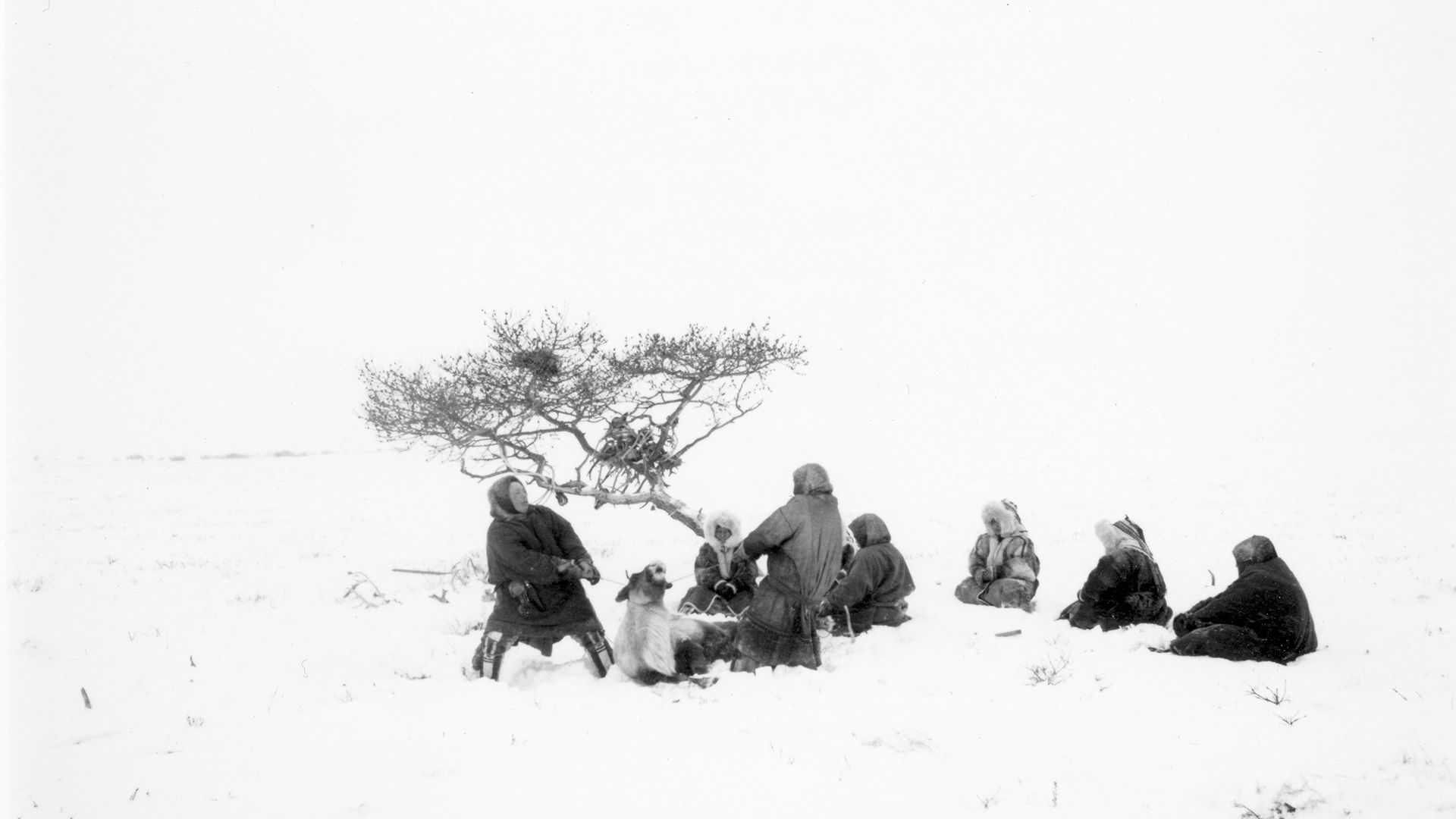
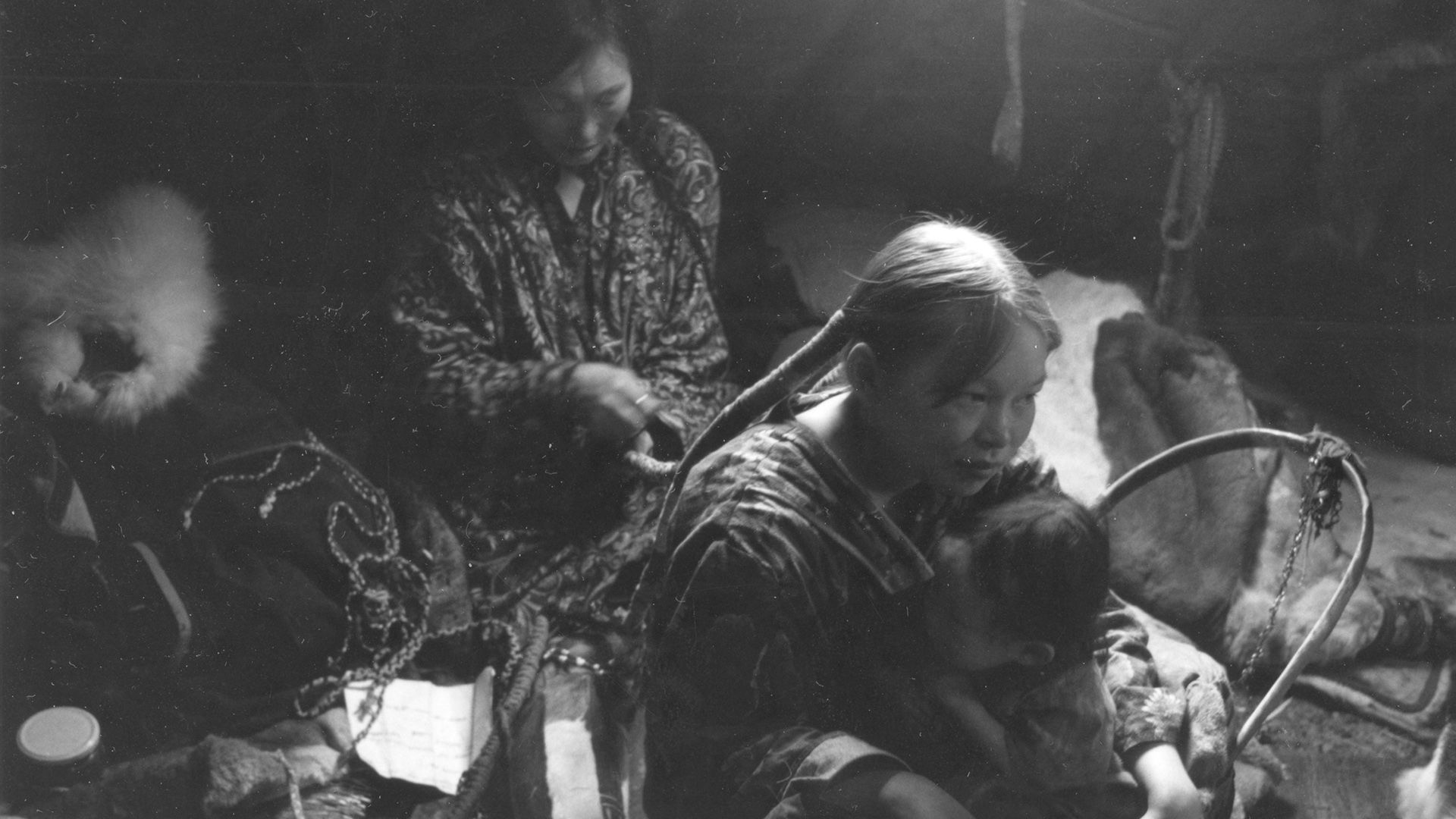
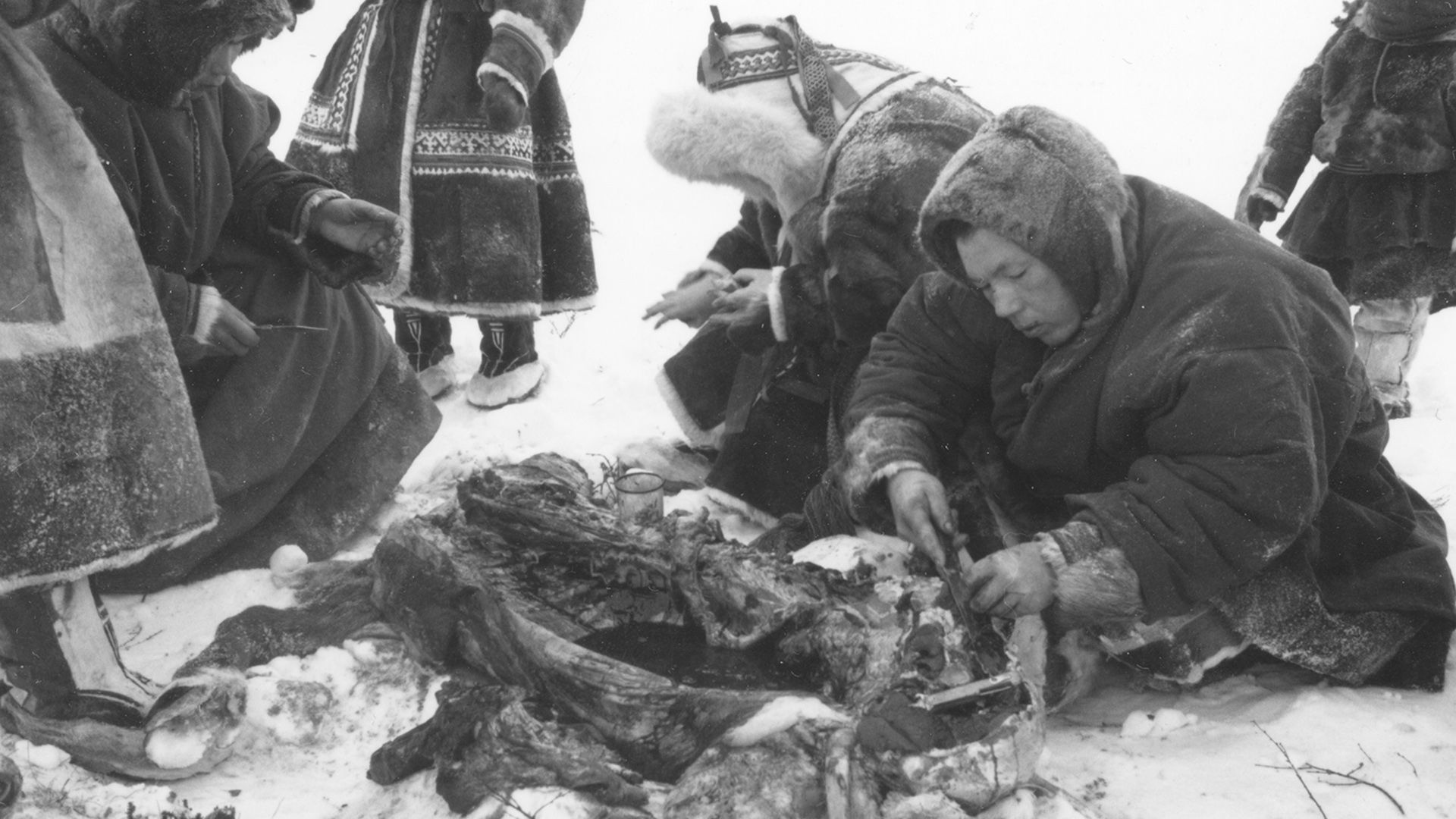
The first feature film in the Nenets language, made in 1999, summarises the life of the Nenets people in the 20th century in seven episodes. The introduction of Soviet rule in the tundra, the collectivisation, the clash of old and new customs, all lead to tragic consequences, which are at times also comic or, to be more precise, tragicomic.
The actors are ordinary Nenets, and one of the authors, Anastasia Lapsui, is also of that nationality. Her memories and Nenets folklore are the basis of this personal work which combines fiction, documentary and ethnographic film aesthetics.
Markku Lehmuskallio celebrated his 85th birthday on 31 December and Anastasia Lapsui celebrated her 80th birthday on 1 January. Together, they have been filming indigenous peoples for 30 years. “Seven Songs from the Tundra” is their best-known film, also nominated for an Oscar, and restored in 2023.
Tiit Tuumalu
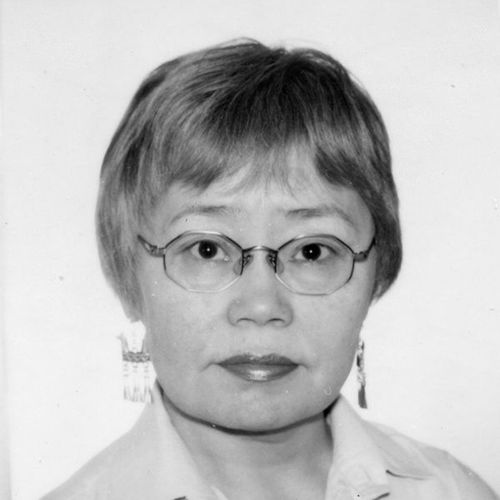
Anastasia Lapsui (1944) was born in Siberia. From 1966 to 1997 she worked as journalist and radio reporter. In 1990, she wrote her first screenplay. Since 1993 she has made documentaries with her husband Markku Lehmuskallio.
Kadotettu paratiisi (1994, doc, co-dir), Uhri - elokuva metsästä (1998, doc, co-dir), Seitsemän laulua tundralta (Seitse laulu tundrast, PÖFF 2000), Elämän äidit (Mothers of Life, 2000, doc, co-dir), Jumalan morsian (A Bride of the Seventh Heaven, 2004, co-dir), Matka (2007, doc, co-dir), Maan muisti (2009, doc, co-dir), Sukunsa viimeinen (2010, co-dir), Tsamo (2015, co-dir)
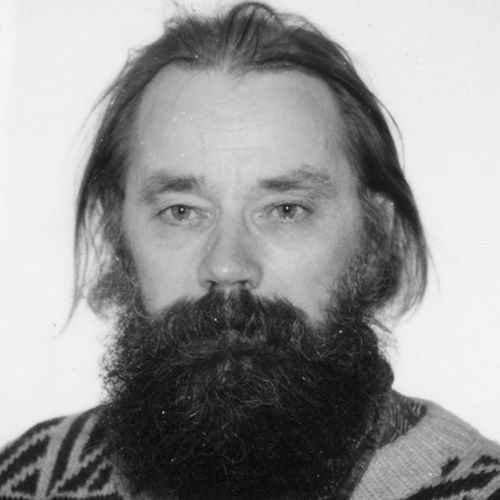
Markku Lehmuskallio (1938) worked as a forester from 1963 to 1999, His life changed completely after he lost everything in a fire. He then bought 16mm film camera and began making commissioned films for business, and nature documentaries for Finnish TV. Since 1993 he has made documentaries with his wife Anastasia Lapsui.
Kadotettu paratiisi (1994, doc, co-dir), Uhri - elokuva metsästä (1998, doc, co-dir), Seitsemän laulua tundralta (Seitse laulu tundrast, PÖFF 2000), Elämän äidit (Mothers of Life, 2000, doc, co-dir), Jumalan morsian (A Bride of the Seventh Heaven, 2004, co-dir), Matka (2007, doc, co-dir), Maan muisti (2009, doc, co-dir), Sukunsa viimeinen (2010, co-dir), Tsamo (2015, co-dir)