
Innocence Unprotected
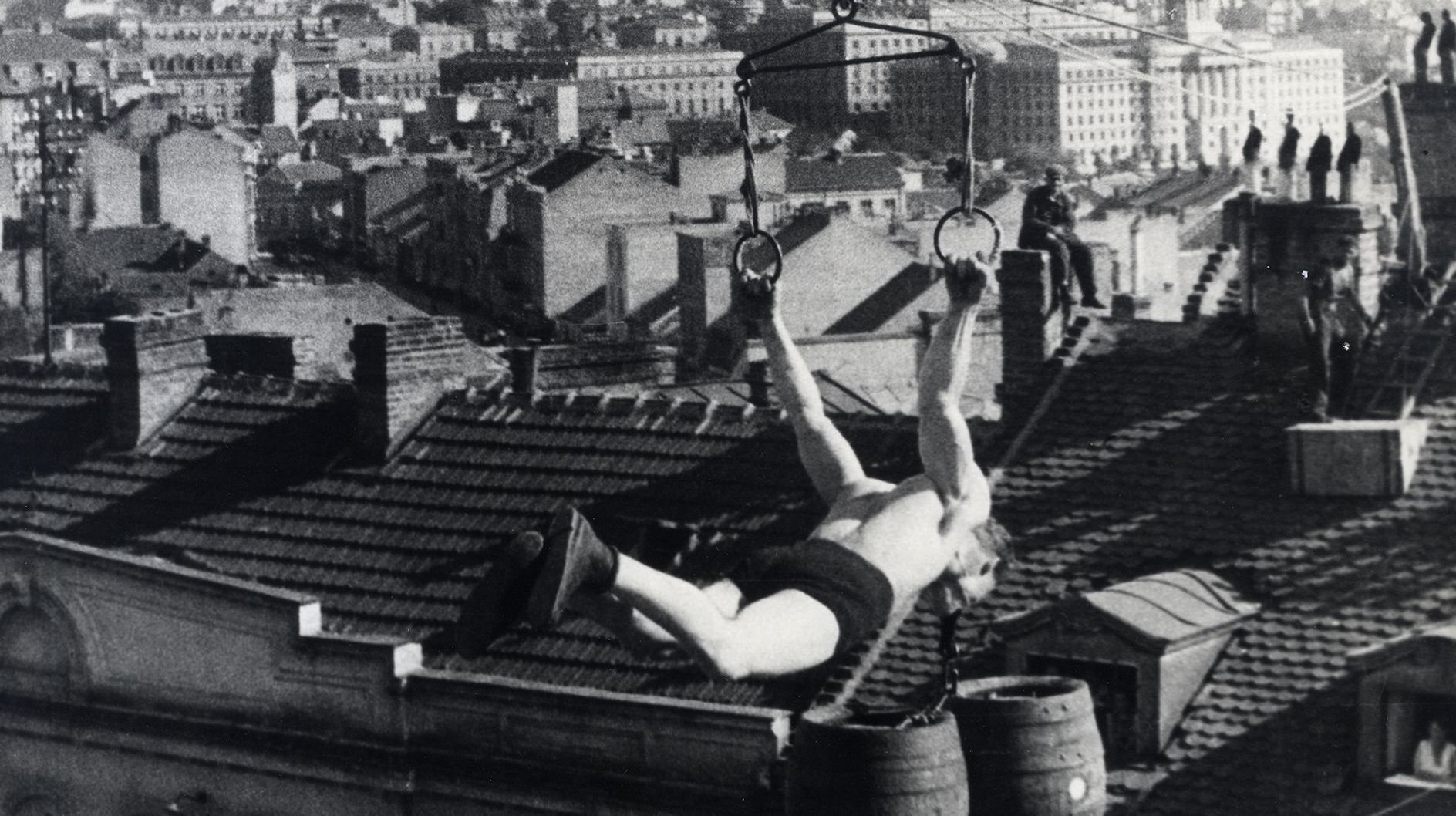
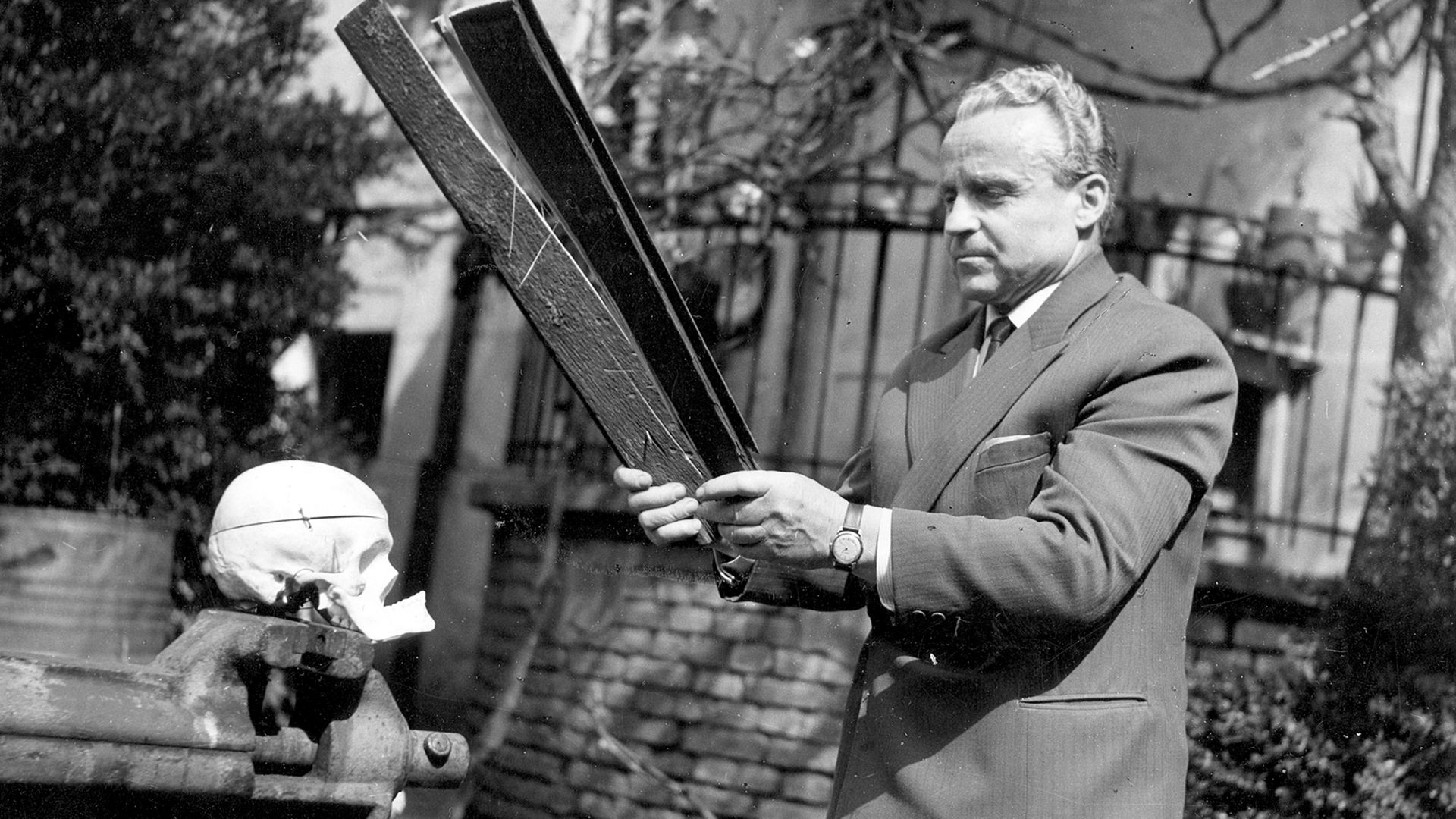
The title and much of the material comes from the “lost” melodrama “Innocence Unprotected” by acrobat-athlete Dragoljub Aleksić during WW2. The athlete plays himself, demonstrating his prowess and rescuing Nada, the lady of his heart. Makavejev has used scenes from the original film, interviews with Aleksić and others involved in the original film, and ingeniously mixed it with wartime images of the destruction and rebuilding of Belgrade. At the centre of it all is the real-life hero Aleksić.
This meta-documentary is one of Dušan Makavejev’s most creative films. He has brilliantly created something meaningful and cleverly retrospective about his country’s turbulent past from trivial source material.
The film won the Silver Bear at the 1968 Berlinale Film Festival and the FIPRESCI Award and the Golden Hugo Award at the Chicago Film Festival.
Kati Vuks
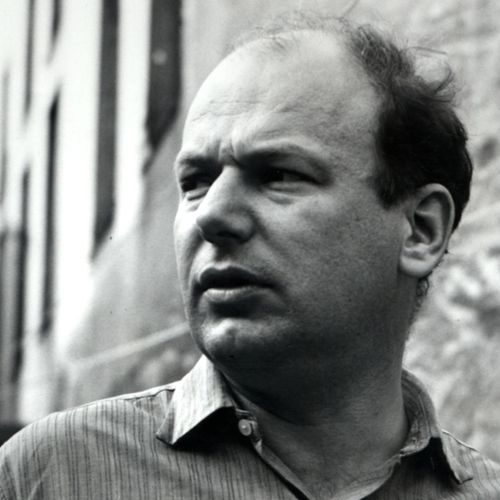
Dušan Makavejev (1932) died 2019. He was a Serbian film director and screenwriter, famous for his groundbreaking films of Yugoslav cinema in the late 1960s and early 1970s — many of which belong to the Black Wave. He studied psychology at the Faculty of Philosophy and then directing at the Academy of Theater, Film, Radio and TV in Belgrade. Makavejev made his name with the short films ""Smile 61"", ""Down with the Fences"" and ""Parade"". He directed ten full-length feature films. His most internationally successful film was the 1971 political satire ""W.R.: Mysteries of the Organism"", which he both directed and wrote. His films have won a number of prestigious international and domestic awards.
Filmography:
valik/selected: Čovek nije ptica (Man is Not a Bird, 1965), Ljubavni slučaj ili tragedija službenice P.T.T. (Love Affair, or the Case of the Missing Switchboard Operator, 1967), W.R. – Misterije organizma (W.R.: Mysteries of the Organism, 1971), Sweet Movie (1974), Montenegro (1981), The Coca-Cola Kid (1985)