

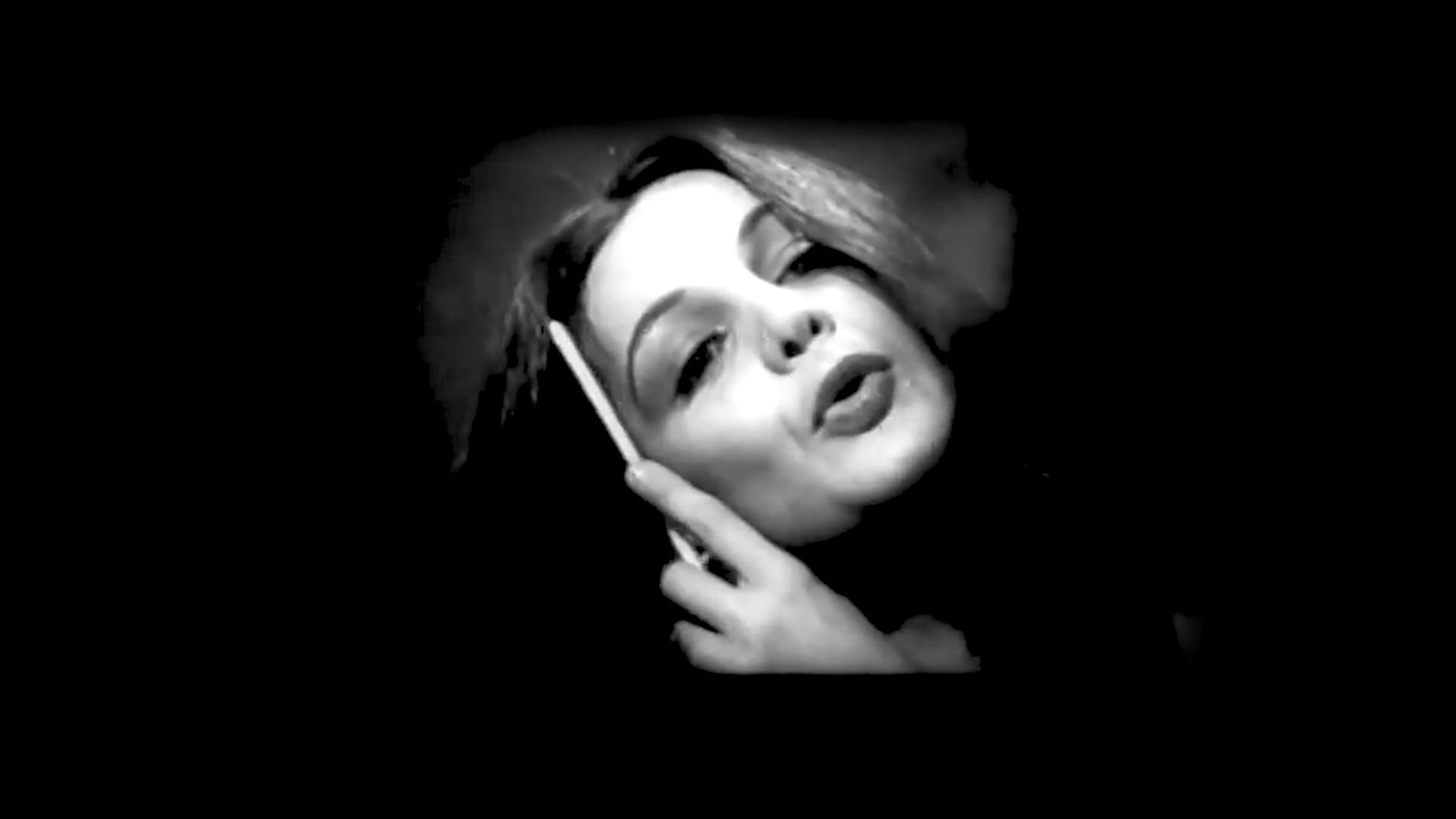
How Dare You Have Such a Rubbish Wish
When have you seen anyone kissing in an Iranian film? The answer is obvious – NEVER, because to depict kissing is forbidden in poetical Iranian cinema. Everything was more or less allowed until the Iranian Revolution established the Islamic republic in 1979. The ruling ayatollahs introduced despotic changes and banned all the gorgeous beauty of women, and almost all actresses lost their jobs.
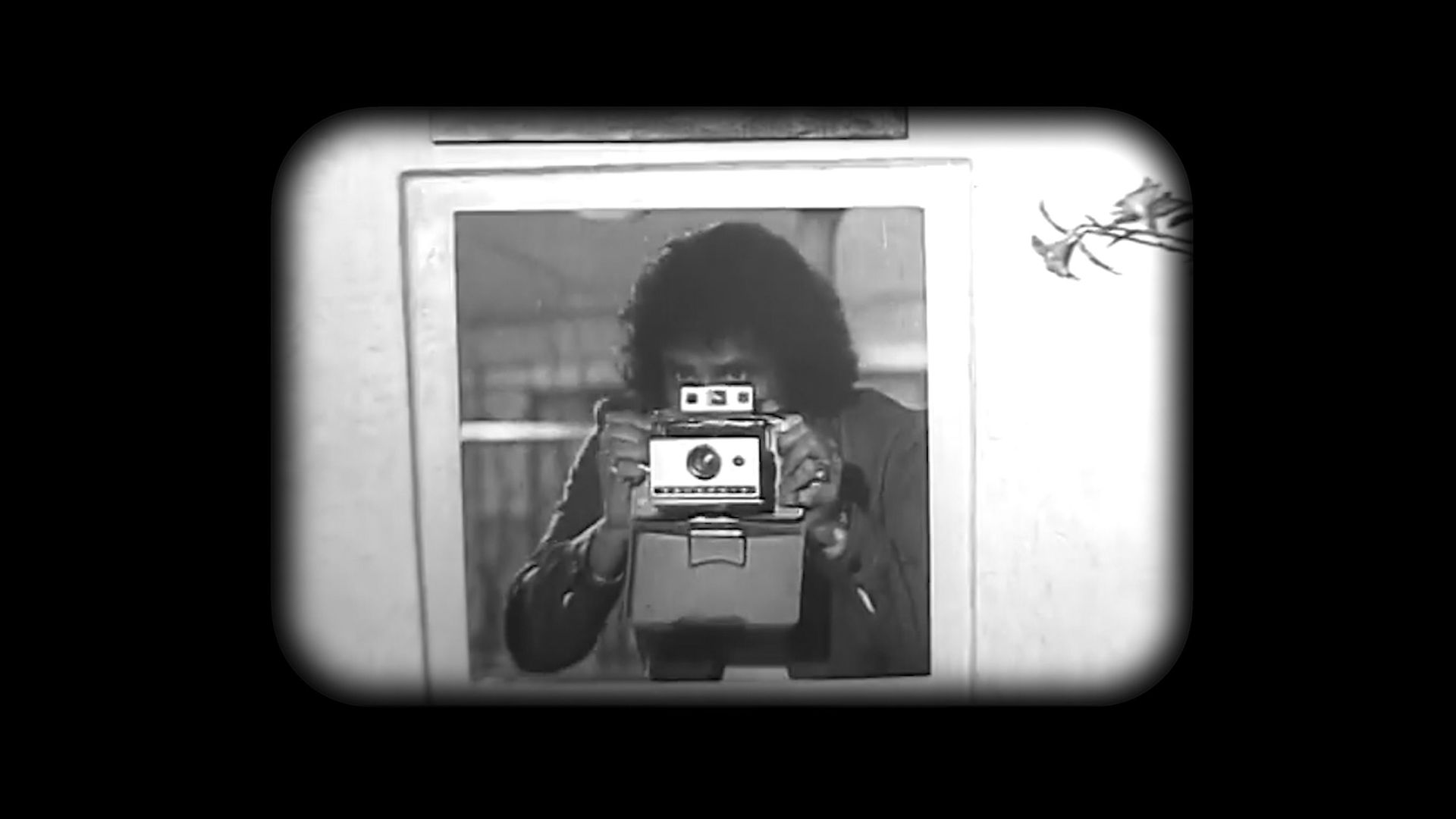
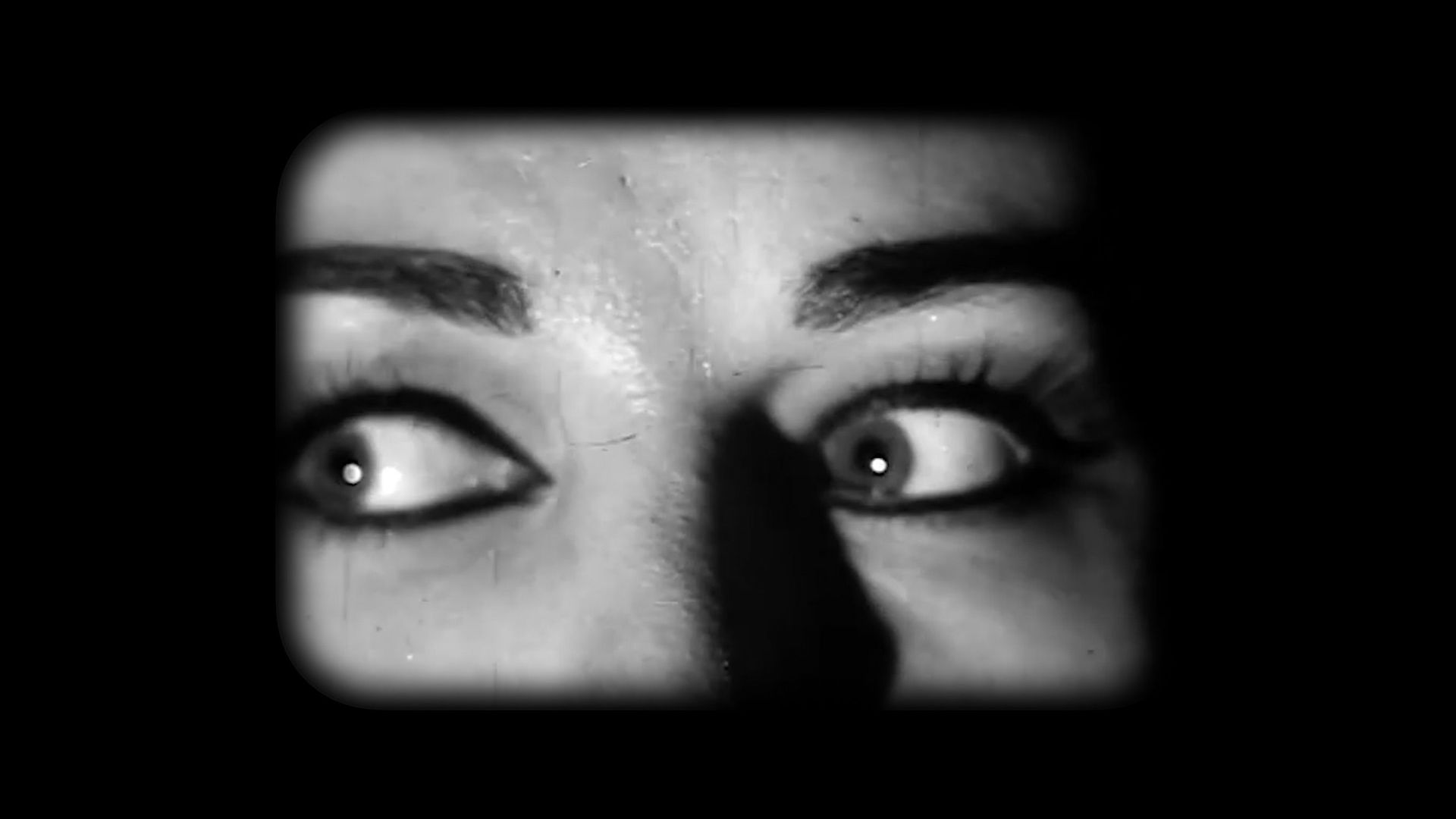
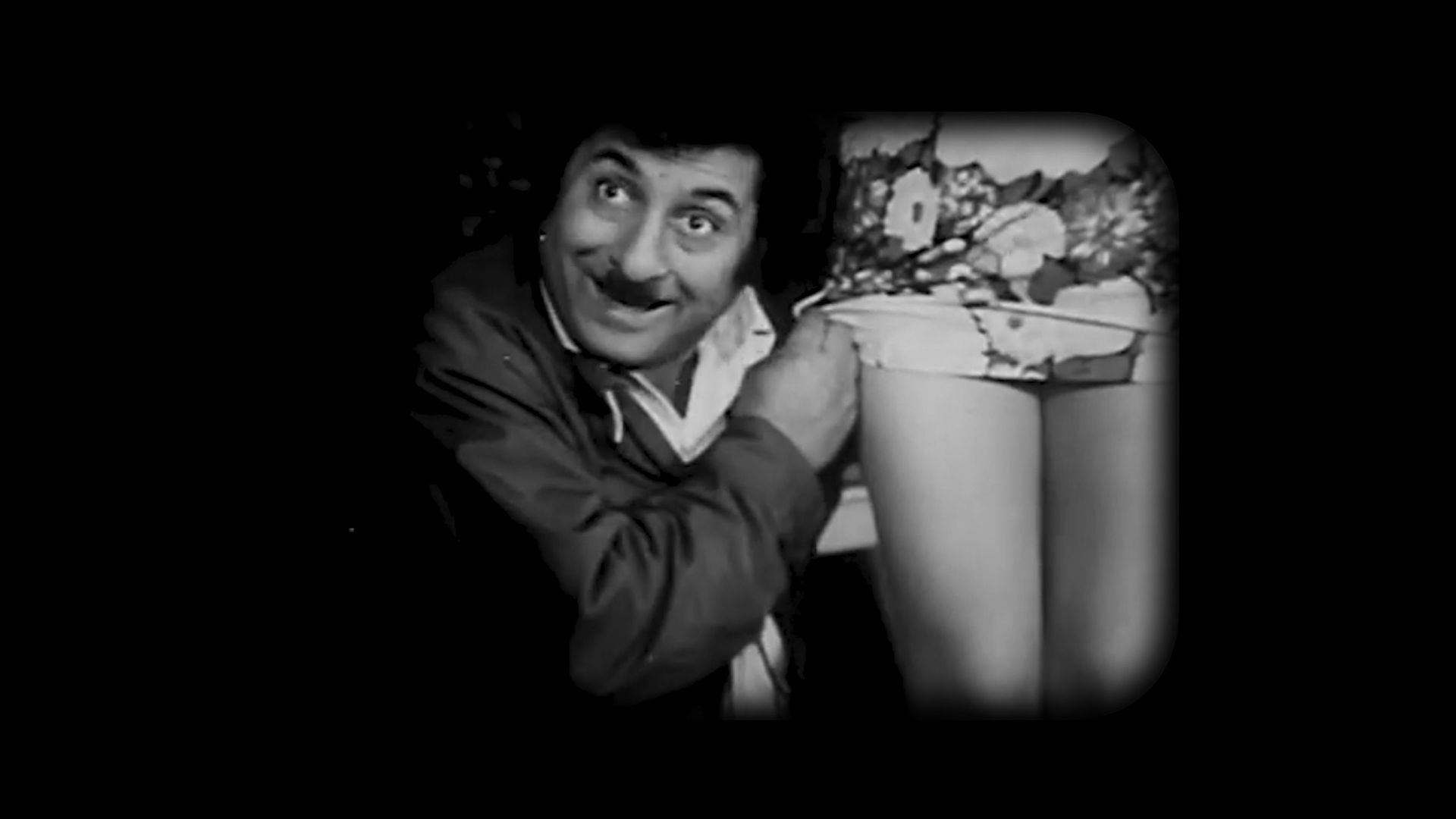
A deeply personal, unique and revolutionary hybrid documentary, constructed from private footage, poetry and precious archives, edited from nearly 70 Iranian feature films, silent comedies and musicals made and screened before 1979 and now strictly censored, forbidden and banned. We never had a chance to watch these absolutely different, unbelievably lively, incredibly romantic, even lustful Iranian films where women were portrayed as liberated, playful, vivacious, intimate and charming in the pre-revolution Iranian popular cinema before the discrimination and ideological rules of Islamic religion. Women freely expressed their dreams, searched for love, seduced, sang, danced and never wore a veil, but the patriarchal Khomeini regime confiscated the feminine body, established full control over women and exploitatively started to devalue them.
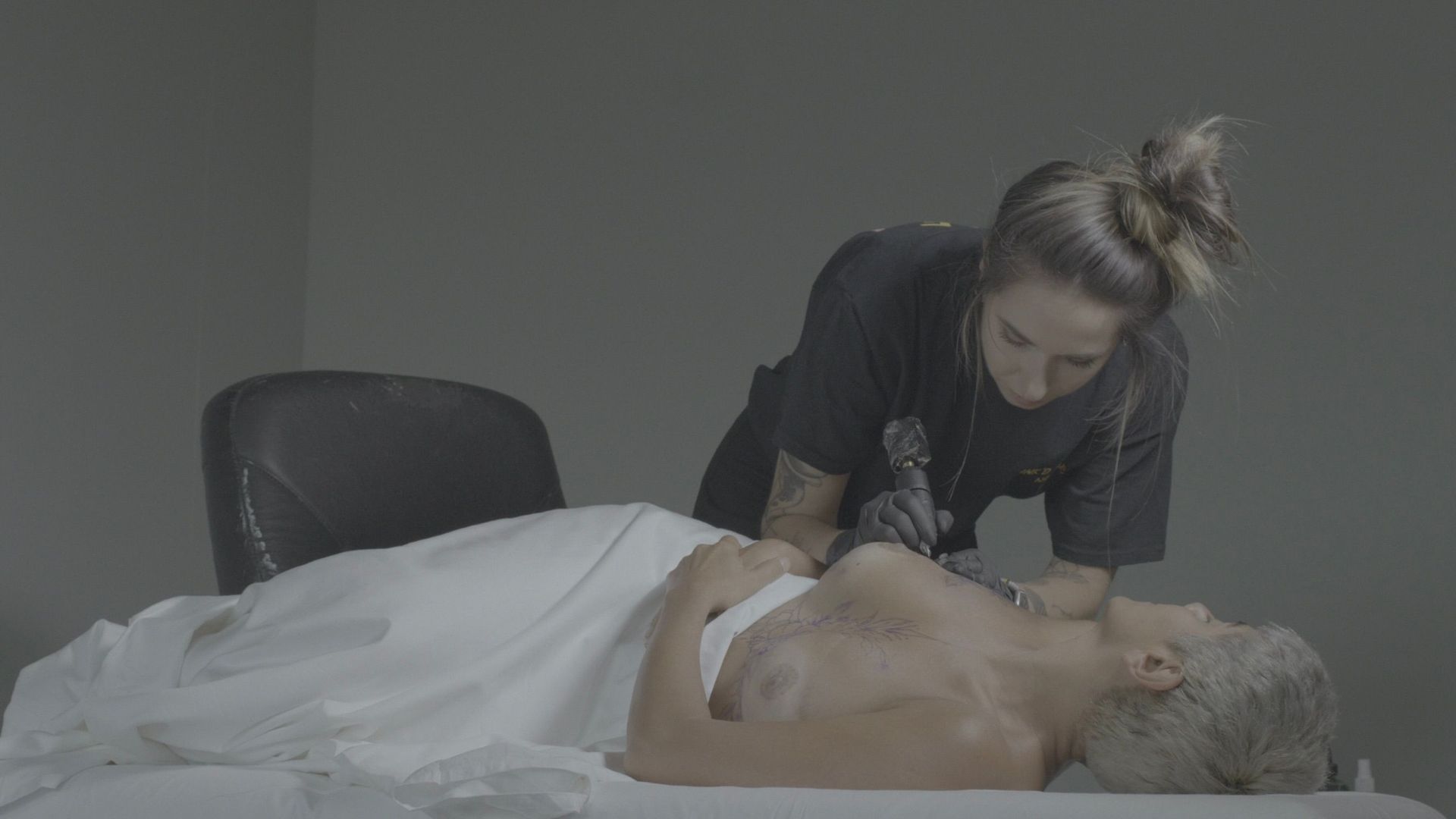
Persistent and brave, the exiled Iranian artist Mania Akbari sensationally restores 90 years of moving images of hidden Iranian cinematic history in a fictitiously invented story of a male gaze which suddenly turns desire into oppression, obedience and ownership. She reconstructs the deleted wonders of Iranian cinema, compares their radical modifications and finds footage of the first protest with 20,000 women on the streets. She boldly seeks to restore and reclaim her own body after a long nasty battle against breast cancer.
Not coincidentally, the ending of Mania’s unusual and powerful movie currently takes place on the streets of Tehran and other Iranian cities, where young courageous women have started to fight against tyrannical oppression and publicly destroy their veils. The murder of Mahsa Amini triggered massive protests and a movement for freedom. Journalists Elahe Mohammadi and Niloofar Hamedi are imprisoned for being the first to report the vicious deadly violence of morality police, but their brutal actions are now exposed in Instagram videos every day. Another exiled Iranian actress, Golshifteh Farahani, joined to actively share, comment and repost horrifying and inspirational footage from Iran. Mania Akbari dedicates her film to all the fearless women of Iran who are fighting for the right and freedom of choice and no longer choosing the path of oppression. On behalf of the Iranian female filmmaking community, she declares solidarity with the women-led revolution until the victorious end, restoration of democracy and hopefully new Iranian films, where women and men will kiss without any censorship.
Edvinas Pukšta
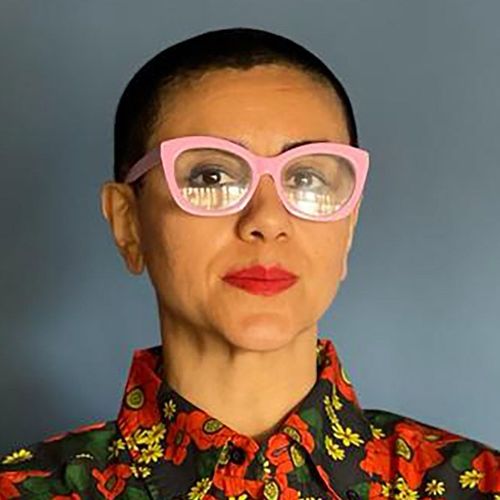
Mania Akbari (1974) is an Iranian filmmaker and artist, whose works explore women's rights, marriage, sexual identity, disease, embodiment, body and trauma, body image and the body politic. In contrast to the long tradition of melodrama in Iranian cinema, her style is rooted in the visual arts and autobiography. Because of the taboo themes openly discussed in her films and her opposition to censorship, she is considered one of the most controversial filmmakers in Iran.
Her provocative, revolutionary and radical films were recently the subject of retrospectives at the BFI, Lon- don (2013), the DFI, Denmark (2014), Oldenburg International Film Festival, Germany (2014), Cyprus Film Festival (2014) and Nottingham Contemporary UK (2018). Her films have been screened at festivals around the world. They have received numerous awards including the German Independence Honorary Award, Oldenberg (2014), Best Film, Digital Section, Venice Film Festival (2004), Nantes Special Public Award Best Film (2007) and Best Director and Best Film at Kerala Film Festival (2007), Best Film and Best Actress, Barcelona Film Festival (2007).
Akbari was exiled from Iran and currently lives and works in London, a theme addressed in ‘Life May Be’ (2014), co-directed with Mark Cousins. This film was released at Karlovy Vary Film Festival and was nominated for Best Documentary at Edinburgh International Film Festival (2014) and Asia Pacific Film Festival (2014). Akbari’s previous film ‘A Moon For My Father, made in collaboration with British artist Douglas White, premiered at CPH: DOX where it won the NEW: VISION Award 2019. The film also received a FIPRESCI International Critics Award at the Flying Broom Festival, Ankara. In 2021 she made DEAR ELNAZ a documentary in memory of PS752 that screened at HotDocs, IDFA, DOXA, and Sheffield Film Festival.
Filmography
20 Fingers (2004, 20 sõrme, PÖFF 2005), 10 + 4 (Dah be alaveh chahar) (2007, doc), Yek. Do. Yek (One. Two. One., 2011), From Tehran to London (2012), Life May Be (2014, co-dir, doc), A Moon for My Father (2019, co-dir, doc), Dear Elnaz (2020, doc), How Dare You Have Such a Rubbish Wish (2022, doc)