
Germany Year Zero
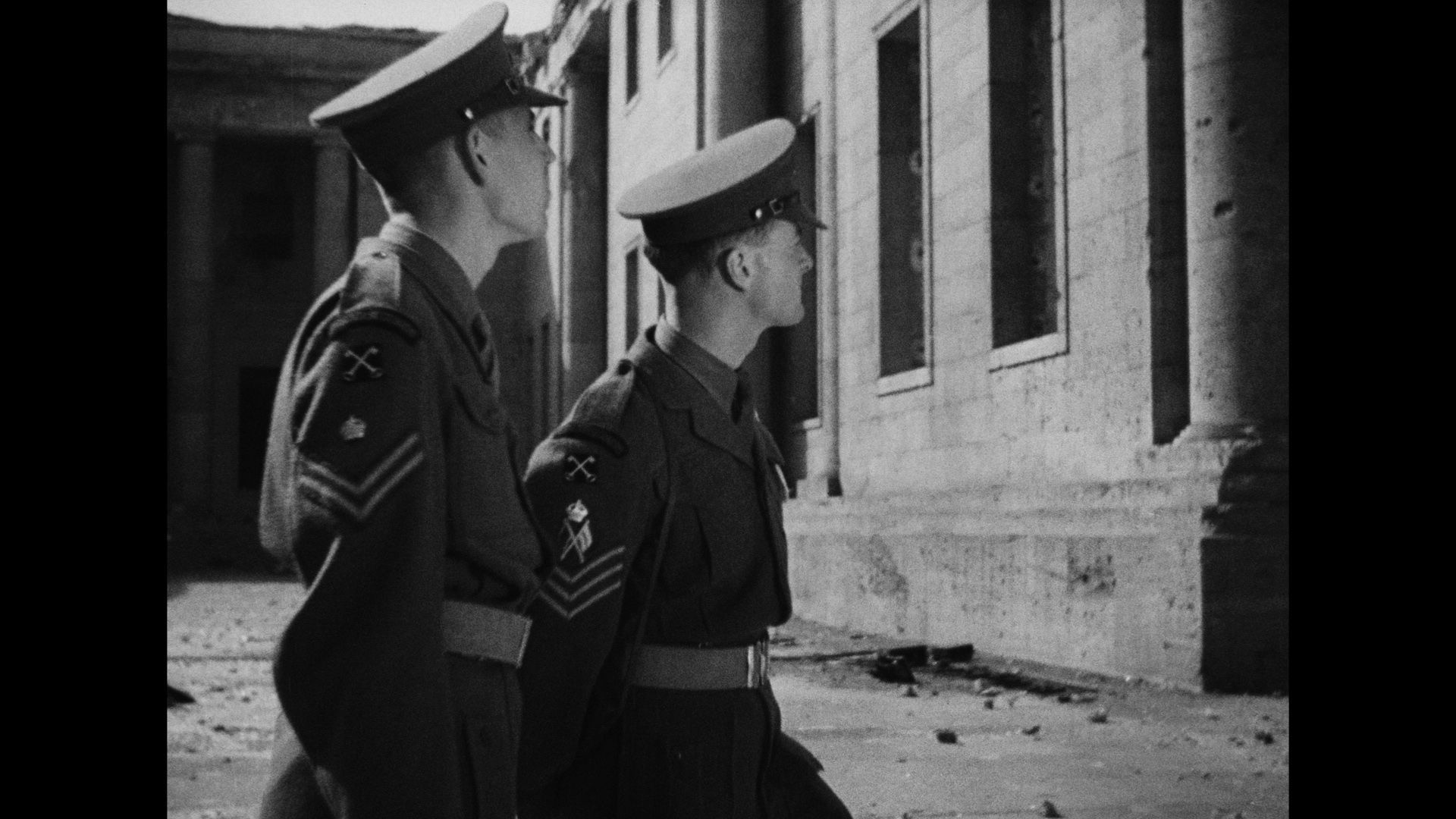
With this film, Roberto Rossellini brought his war trilogy to a shocking end.
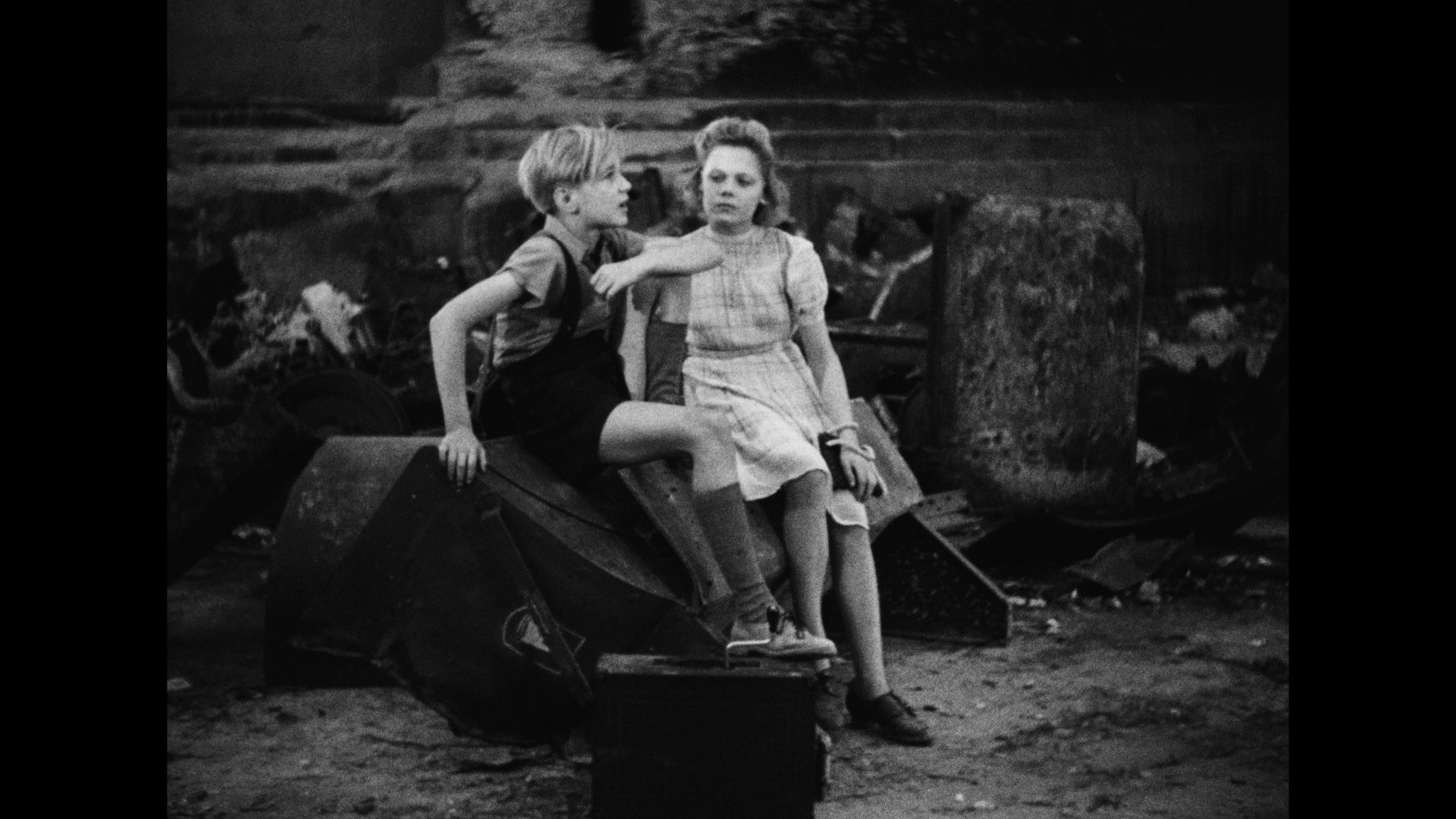
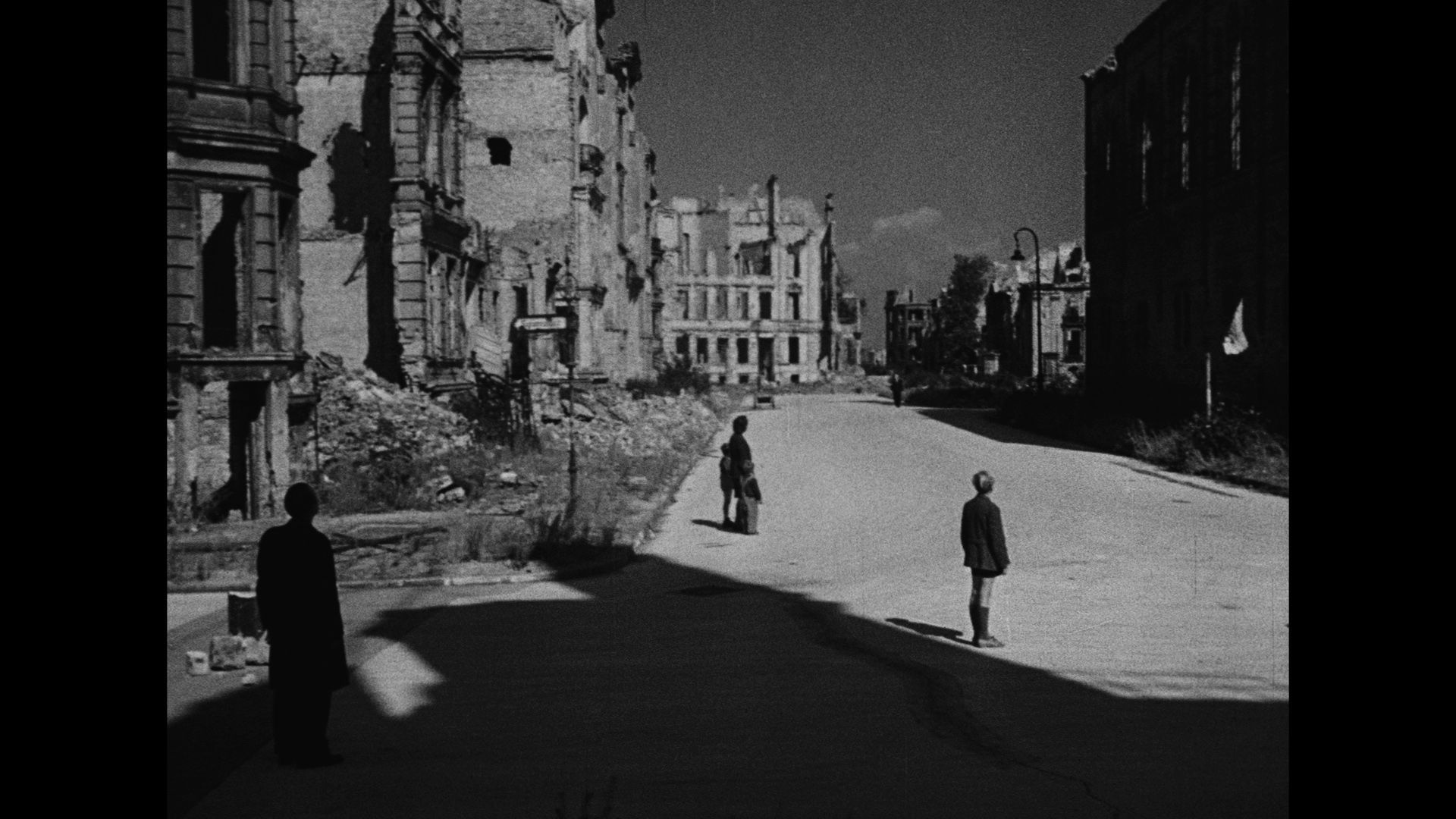
Twelve-year-old Edmund wanders the ruins of Berlin in search of a way to support his starving family. It’s a bleak, unsettling, disturbing glimpse of a Germany reeling in the aftermath of Nazism. There have been only a few films before this one that put such a burden on a child and let him wander a labyrinth with no way out.
“If the story of Edmund appeals to you, and you feel that something must be done to make German children learn to love again, then our efforts will have paid off,” wrote Roberto Rosselini in 1948, when the film was released.
This film has also had a major influence on subsequent generations of filmmakers. Francois Truffaut was influenced by it when he made “The 400 Blows”, and Bernardo Bertolucci and Michael Haneke have cited it among their favourites. Slavoj Žižek has interpreted it in terms of Lacanian psychoanalysis.
Along with “Germany, Year Zero“, the rest of Rossellini’s military trilogy – “Rome, Open City” and “Paisan” – will also be screened at the festival.
Tiit Tuumalu
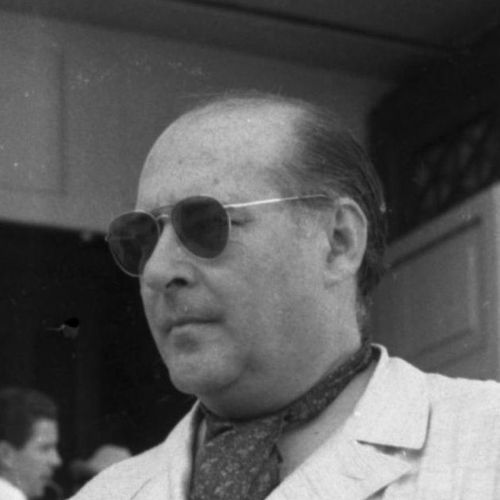
Roberto Rossellini (1906–1977) was one of the most widely known post-World War II motion-picture directors of Italy. His films “Roma città aperta” (1945) and “Paisà” (1946) focused international attention on the Italian Neorealist movement in films. Rossellini’s realistic style strongly influenced the development of important cinema talents, such as the director Federico Fellini, who came into prominence in the 1950s. His neo-realist films influenced France's Nouvelle Vague movement in the 1950s and 60s that changed the face of international cinema. He also influenced American directors, including Martin Scorsese.
L'uomo dalla croce (1943), Roma città aperta (1945), Paisà (1946), Germania anno zero (1948), Francesco, giullare di Dio (1950), Europa '51 (1952), Viaggio in Italia (1954), Viva l'Italia (1961), Il messia (1975)