
Vesna
Sügavalt humanistlik draama ukrainlaste visast vastupanust.
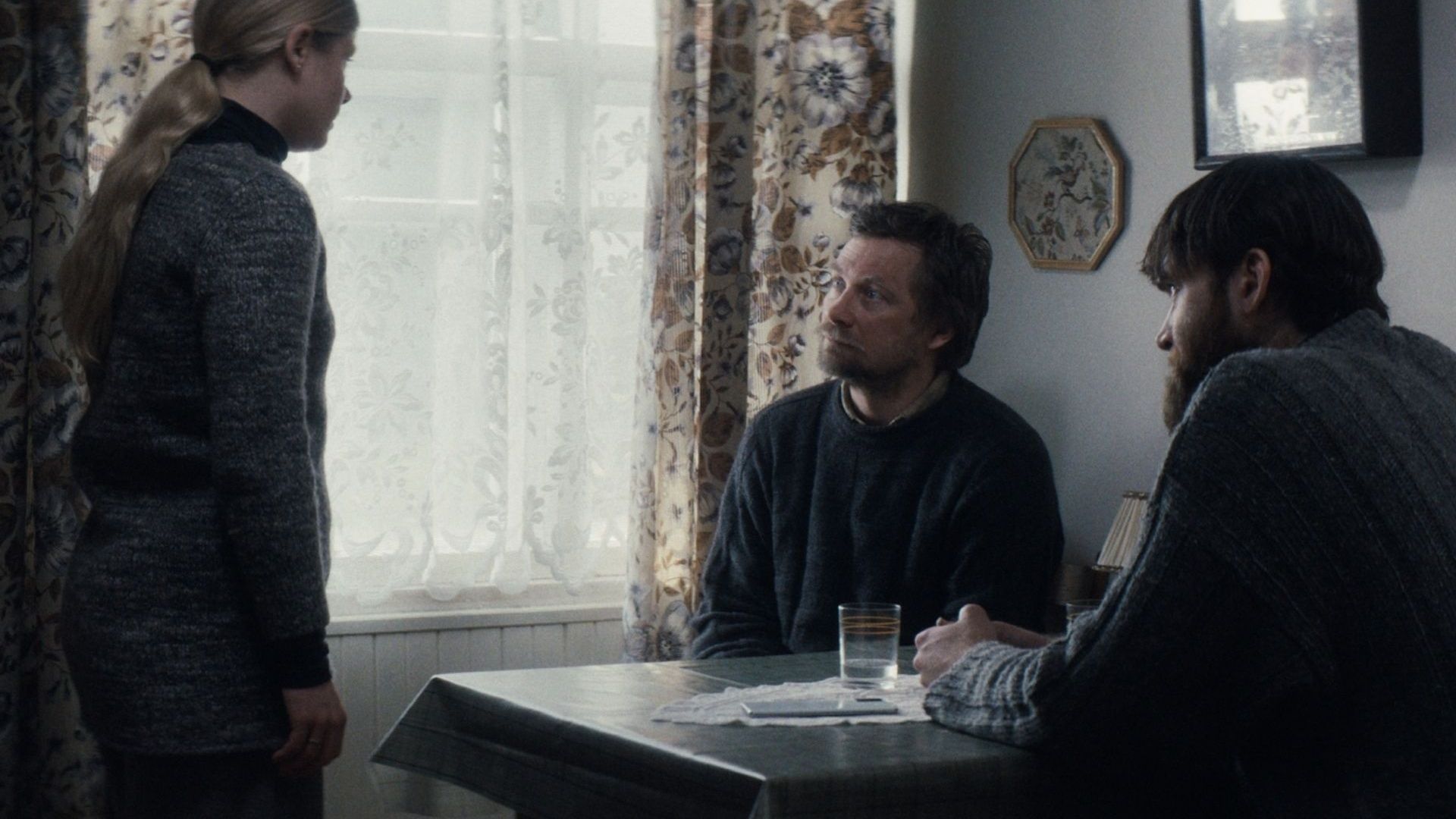
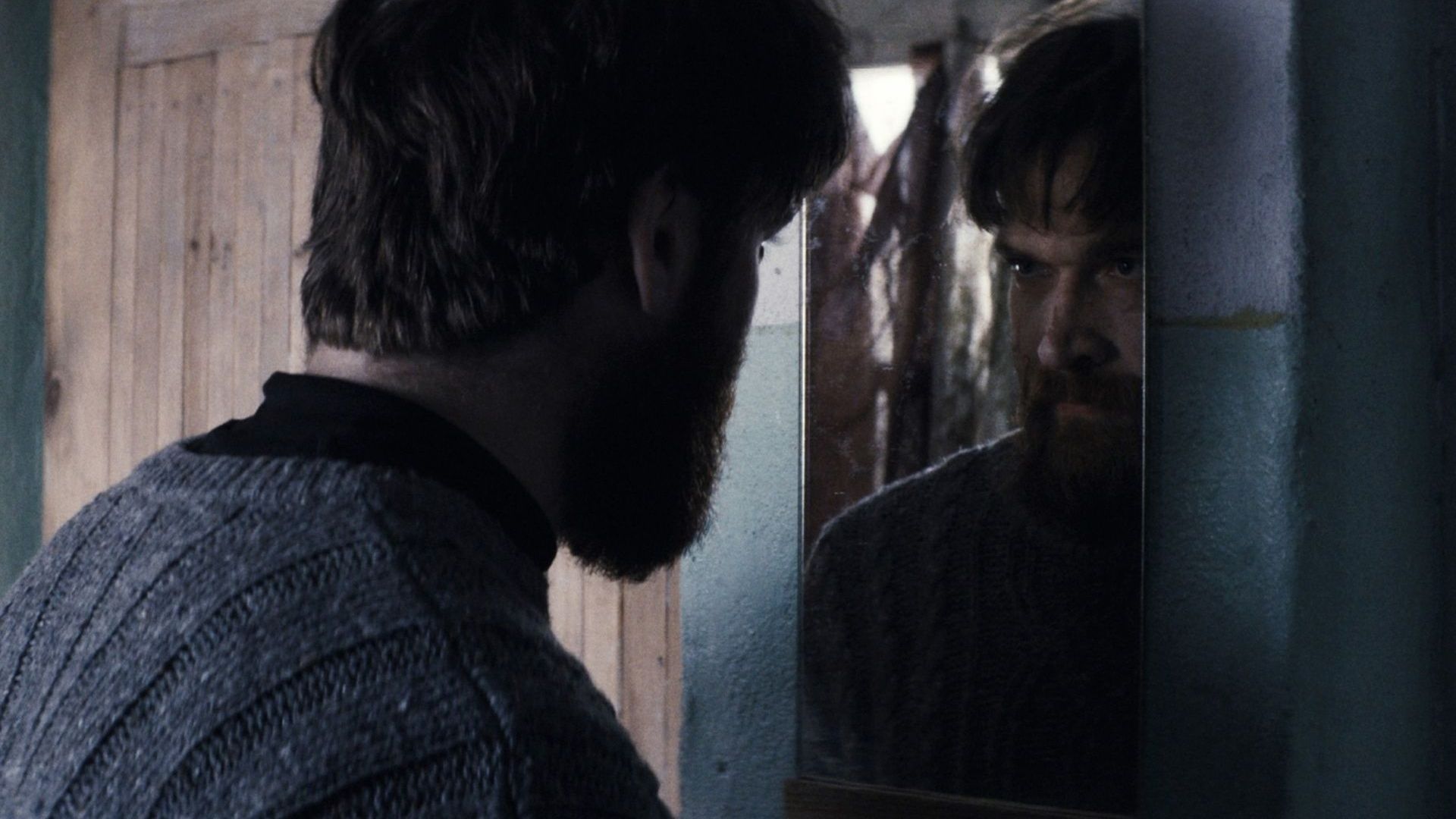
Ukraina okupeeritud kaguosas asuvas linnas, kus surnute matmine on keelatud, on noore preestri Andri kirik muudetud hukatud Ukraina tsiviilisikute surnukambriks. Kui okupatsiooni haare tugevneb, hakkab Andri vaikselt vastupanu osutama, toimetades salaja ja enda eluga riskides surnukehad tagasi nende peredele. Selle käigus tekib tal ootamatu side 11-aastase Makaroviga, kellest saab tema vastupanu vaikiv tunnistaja.
Põneva draama tõsielulised sündmused ei pruugi üllatada neid, kes taluvad lõputuna näivat täiemahulist sõda, kuid võivad šokeerida inimesi, kes seda endiselt ignoreerivad. Leedus sündinud Ukraina režissöör Rostislav Kirpicenko paljastab ründajate küünilisuse ja jõhkra julmuse.
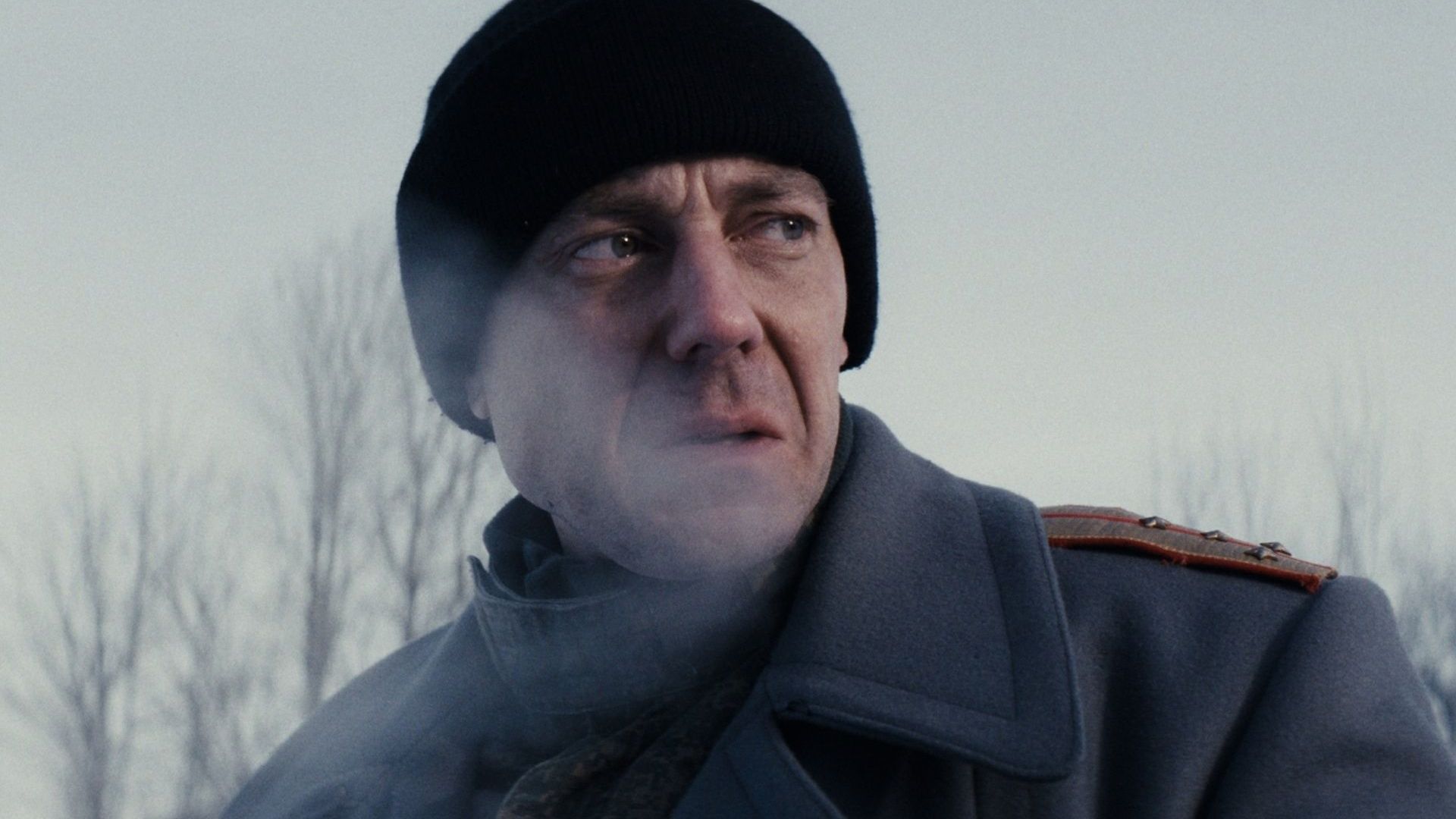
Kohalikel tuleb valida – pidada veel veidi vastu, vähehaaval kohaneda, osutada vastupanu, kuuletuda, teha koostööd või isegi teisi reeta. Kõige suuremat mõju avaldab filmi südantlõhestav autentsus, millega näidatakse, kuidas ukrainlased okupatsioonis ellu jäävad.
Edvinas Pukšta
Producers' note
We discovered Rostislav Kirpichenko while working on the development of his short film"Eleven Kilometres." His personal style, vulnerability and honesty in working with complex themes of memory and loss made a deep impression on us. When we learned about his idea for a feature-length debut,"Vesna," we immediately decided to jump into its development.
"Vesna"is an intimate drama set in an occupied town in south-eastern Ukraine. A young priest and his deacon, Vasyl, bury the bodies of executed civilians at night, trying to preserve evidence of war crimes. At the same time, an 11-year-old boy, Makarov, the son of a local collaborator, struggles with poverty and bullying.
At the climax of the film, when the Russian military want to destroy the bodies, the priest and Vasyl, risking their lives, bury them under the floor of the church. Before retreating, the occupiers kill both of them. After the liberation, the city celebrates, but Makarov, despite his new shoes, remains alone – rejected by the other children because of his father's betrayal.
Rostislav divides the world of the film into two realities: Night scenes – tense, almost off-screen, where violence is not shown but felt. Day scenes – revealing the inner world of the characters, showing their vulnerability.
Sound is a separate language of the film. The silence of the occupied city contrasts with the bombing raids, and the silence becomes a mirror of fear. The film refrains from moralising – instead, it poses the question: how to preserve humanity when all around is betrayal and death?
For the Ukrainian viewer, war is not a metaphor but a reality. That is why we are not making a film about war for Ukrainians – we are making a film about humanity for the world. For the European viewer, the film allows one to see Russia's crimes not through statistics, but through an intimate story of choice, fear and empathy. This is a story that will help us to understand more deeply what it means to live under occupation. We are convinced that"Vesna"will speak to audiences across Europe – where freedom seems permanent and evil, abstract.
For the film industry,"Vesna"is an artistic statement that combines a realistic style, sensitive acting and a strong moral drama. As a debut, it has the potential to become the discovery of the year.
What we observed while thinking about how to make"Vesna"possible is that, in today's film industry, co-production is more than a financial necessity; it is an artistic imperative. In this domain,"Vesna"requires a strong European co-production model to ensure both logistical feasibility and creative authenticity. The film is being developed as a European co-production between Ukraine, France and Lithuania.
Although the story is set in Ukraine, for security reasons the shoot will take place in Ukraine and Lithuania, which allowed our co-producers Film Jam to obtain €400,000 in national funding from Lithuania last February, and a pre-sale of €7,000 from Lithuanian National Television. Beyond being a financial partner, Lithuania is above all a place capable of recreating the Ukraine that Rostislav wants to depict.
Our French co-producer, Matka Film, successfully secured several sources of funding to make"Vesna"possible. In October, we received €150,000 in support from the Nouvelle-Aquitaine region and the Charente department to complete post-production entirely in France. It was during a pitch session in Bordeaux that Jane Roger, distributor at JHR Films, developed a real passion for the script and decided that same evening to come on board. JHR Films positioned themselves with an MG of €35,000 and will thus handle the French release of"Vesna."
We are very happy that powerful co-producers have joined the project and, over the past year, we have managed to collect most of the necessary funding, which allows us to determine the shooting period and say with confidence that the film will be created. However, under the conditions of full-scale aggression, which has been going on for more than three years now, the possibilities of financing from the Ukrainian side are significantly limited.
"Vesna"is our way of preserving the voices that are not heard. This is a film that is not about armies, but about choice: to bury the body – or to leave the truth. To forgive betrayal – or to preserve dignity. This is a story that will not leave anyone indifferent."Vesna"is not a war film. It is about how to remain human.
Biograafia
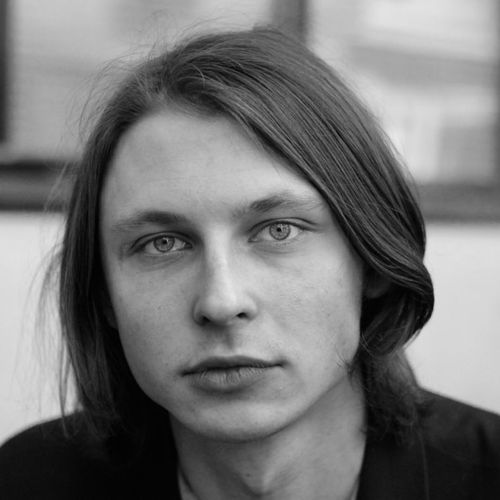
Rostislav Kirpicenko sündis Leedus ja kasvas üles Ukrainas. Seal alustas ta professionaalse jalgpalluri karjääri, mis viis ta esmalt Tšehhi Vabariiki ja seejärel Saksamaale. 2016. aastal lõpetas jalgpallurikarjääri ja kolis Pariisi, kus õppis nüüdiskirjandust, enne kui läks La Fémisi režiid õppima. Dokumentaalfilm „One, Angarskaia Street“ (2025) valmis pärast naasmist sõjast räsitud Ukrainasse ja pälvis Cinéma du Réelil Clarensi auhinna. Tema uusim film „Vesna“ (2026) valiti Cannes’i filmifestivalile.
Filmograafia
One, Angarskaia Street (2025), Vesna (2026)

Auhind parimale filmile Balti filmi võistlusprogrammis, stipendiumi 5000€ annab välja
